01 / GET COMFORT BACKHeating
Heating
repair
No heat, weak airflow, unusual cycling, or rooms that will not warm up? Start with an assessment of the cause.
Explore heating repairPRO Electric plus HVAC · Northern Virginia
Repair. Maintain. Install. Replace. Furnace and heat pump service in Northern Virginia, with clear answers and a plan built around your comfort.
Fairfax · Loudoun · Arlington · Prince William · Falls Church
Gas odor, a CO alarm, smoke, or fire? Leave for a safe outdoor location and call 911. For suspected gas, avoid switches and phones until outside; then also call your gas utility. Safety guidance ↓
Your heating team, all season
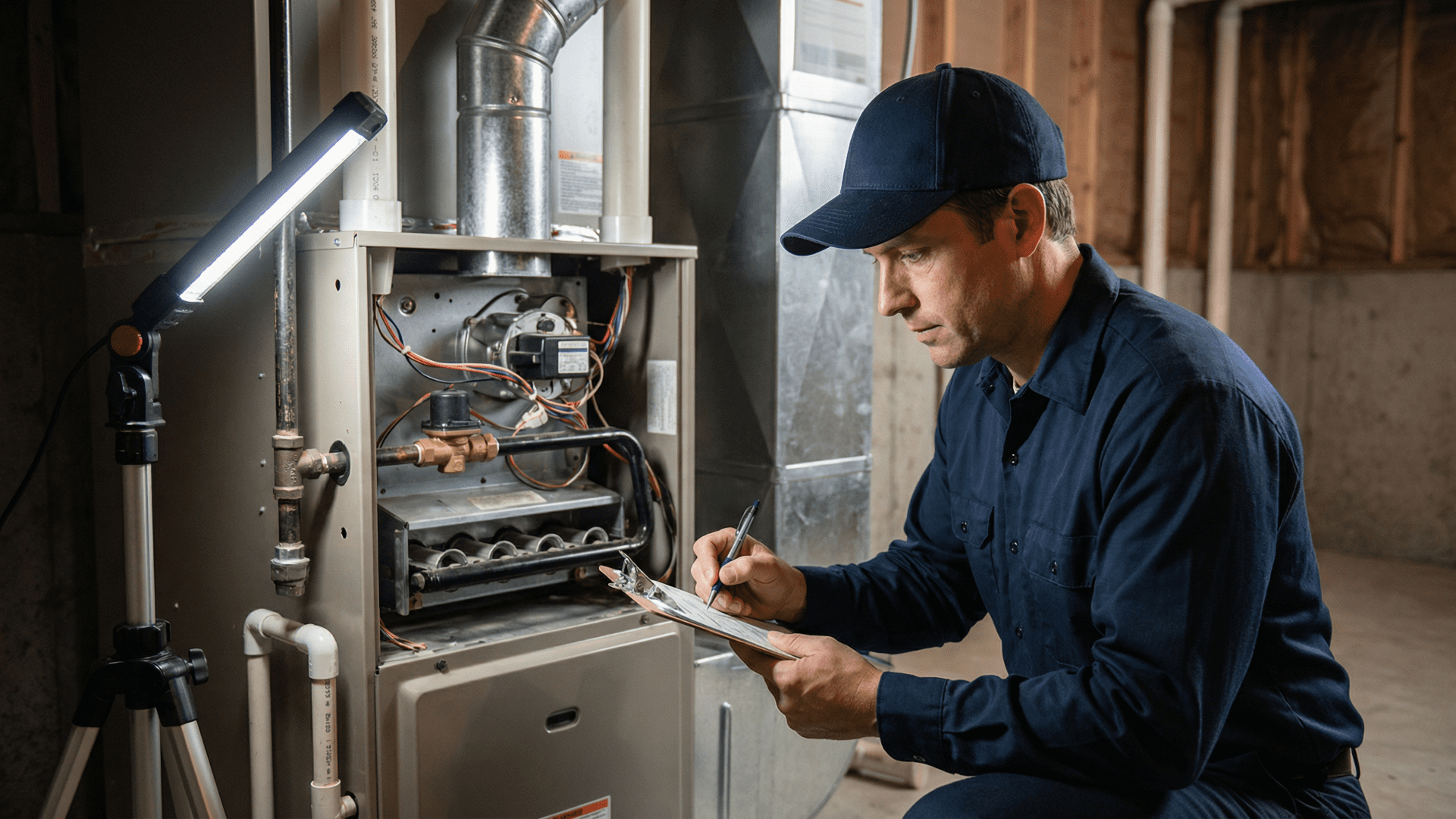
PRO Electric plus HVAC provides heating repair, maintenance, installation, and replacement across Northern Virginia. We work with gas and electric furnaces, heat pumps, and the controls that keep your home comfortable.
Four ways we help
No heat, weak airflow, unusual cycling, or rooms that will not warm up? Start with an assessment of the cause.
Explore heating repairPlan seasonal service around your equipment, its condition, and the comfort concerns you want reviewed.
Explore maintenanceChoose equipment, distribution, and controls suited to a new space, addition, or change in heating approach.
Explore installationCompare options with a clear view of sizing, installation requirements, operating costs, and project scope.
Explore replacementCall to describe the problem and ask about current availability.
A few clicks. A clearer next step.
Choose your goal, add the equipment you have, and get a brief you can copy into your request.
Not sure? That is a useful answer, too.
No covers to remove. Use information you already have.
Choose a service goal and the equipment you have. We’ll help you organize the next step.
For suspected gas, avoid switches and phones until outside; then contact your gas utility as well. Do not re-enter until emergency responders say it is safe.
Helpful next steps
Not sure? We can help identify the system.
This guide does not diagnose equipment, calculate a price, or book service. Your selections are not sent automatically.
Get to know your heating
Click a system to see the basic idea behind how it heats.
Produces heat indoors
A gas furnace uses combustion; an electric furnace uses resistance elements. A blower moves warmed air through ductwork.
A cold bedroom, a noisy cycle, or a system that cannot keep up gives us a place to start. Tell us what you notice.

Heat pumps in winter
Heat pumps behave differently from furnaces. A thermostat message or the feel of the air is a clue, not a complete diagnosis.
Heat pump air may feel less hot than furnace air. If room temperature keeps falling or the system cannot reach its setting, request service.
Water vapor and a brief change in operation can accompany defrost. Persistent heavy ice or failure to resume heating needs assessment. Do not assume smoke is steam.
AUX is generally automatic supplemental heat. Emergency Heat is typically selected manually to use backup heat. Ask about unexpected operation and follow your equipment instructions.
Learn more: Carrier on auxiliary heat ↗ · DOE heat pump overview ↗
Comfort is more than the furnace
Explore the service that fits your equipment and the improvement you have in mind.
Humidity control should reflect measured conditions and condensation risk. UV equipment is an application-specific accessory; it does not replace filtration, moisture control, or maintenance.
Repair or replace?
Age alone does not settle it. A useful comparison connects the equipment findings to the comfort you want and the complete scope of the work.
What failed? What can be repaired? What other concerns need to be addressed?
Compare the proposed repair with recurring problems and the complete replacement price.
Review heating demand, airflow, distribution, controls, and any electrical or venting needs.
Consider comfort, operating costs, warranty terms, upkeep, and plans for the home.
Explore your options, then ask us to review the project-specific details.
Clear from the first conversation
Share the symptom, comfort concern, or project goal and the system you have, if known.
We assess the authorized scope and explain the findings and proposed options.
Review the scope and price, then authorize the repair, maintenance, or installation.
We check the completed work and explain operation, care, and any next steps.
One licensed contractor for the HVAC equipment and the electrical needs of the project. Virginia license 2705181607.
Review the proposed work and price. Installation planning includes applicable equipment, permit, and inspection requirements.
Call for current availability. Equipment, parts, access, and required approvals can affect the timeline.
Financing is available on request. Ask about our veteran and military discount program and HVAC service agreement.
Local experience. Real feedback.
Read reviews of PRO Electric plus HVAC from homeowners and businesses in our community.
Heating safety
Carbon monoxide has no smell or color. Do not wait for a gas odor to take a CO alarm seriously.
Get everyone outside to a safe location and call 911. Do not re-enter until responders allow it. Have suspect fuel-burning equipment serviced before using it again.
Leave immediately. Avoid switches, flames, and phone use until you are safely outside. Call 911, then your gas utility. Washington Gas customers can call 844-927-4427, option 1.
Let’s make home comfortable
Tell us what needs attention. Request an estimate for repair, maintenance, or a new heating system.
For an active no-heat concern, call about availability. This form is not an emergency response channel.
Include your service address, equipment type if known, and what you would like help with. Paste your heating brief into the project details if useful. Submitting a request does not confirm an appointment.
Prefer another way to reach us? Visit our contact page.
Answers before the visit
A useful starting point for repairs, system choices, seasonal care, and next steps.
Ask PRO: 703-225-8222We provide heating repair, maintenance, installation, and replacement in Northern Virginia, including furnace and heat pump service. We also help with thermostats, whole-house humidifiers, and suitable HVAC air-quality accessories.
Call to describe the symptoms and ask about current service availability. Share the thermostat display and affected rooms if you already know them. Do not remove equipment covers or repeatedly reset a system that shuts down. Gas odor, a CO alarm, smoke, or fire requires leaving for safety and calling 911.
Yes. Tell us which system you have, or select Not sure in the heating guide. For a dual-fuel installation, mention both the heat pump and furnace so the equipment and controls can be considered together.
Not always. Air can feel less hot than furnace air, and a brief defrost cycle can change operation. But continued cool air, falling indoor temperature, or failure to reach the setting needs assessment. Air temperature by touch alone does not establish whether the system is working correctly.
No. Auxiliary heat is normally called automatically when the system needs supplemental heat. Emergency Heat is typically a manually selected backup mode that bypasses the heat pump. Follow your equipment instructions and ask a technician about unexpected operation.
A brief release of water vapor can occur during defrost. Persistent heavy ice, failure to resume heating, smoke, or an unusual odor should not be dismissed as normal defrost. For smoke, fire, or immediate danger, move to safety and call 911.
Plan professional service before the heating season and follow your equipment manufacturer's maintenance instructions. Heat pumps also provide cooling, so their service needs span both seasons. Ask what is included in the visit and whether a service agreement fits your system.
Age is one factor, not an automatic replacement rule. Compare safety and condition, the proposed repair, repair history, comfort problems, installation needs, and expected operating costs. Ask for the repair findings and a clear replacement scope before deciding.
It may be an option, depending on the home's heating needs, electrical capacity, distribution, and the equipment's cold-weather performance. Some homes use a heat pump with a furnace in a dual-fuel arrangement. A project-specific assessment is needed to choose the approach.
The price depends on the diagnosis, equipment, parts, access, and installation requirements. We explain the proposed scope and price before authorized work. Use the form to request a free estimate, or call for an active no-heat concern. The guide does not calculate prices.
PRO Electric plus HVAC serves Fairfax, Loudoun, Arlington, and Prince William counties, including Falls Church and nearby communities. Share the service address when you call or request an estimate so we can discuss availability.
No. The guide helps organize your needs and create a brief you can copy. Its selections are not sent automatically. Submit the request form or contact PRO to discuss service; a form submission does not confirm an appointment.
Your Northern Virginia heating team
From a furnace repair to a new heat pump, we help Northern Virginia homeowners take the next step. Share your service address and project goals so we can discuss availability and scope.
Start with a conversation about your heating system.
PRO ELECTRIC plus HVAC
Find a tool. Plan a project. Get the right help.
Useful starting points for your next repair or project.
Switch example loads on and off to see how demand adds up.
SimulatorExplore household loads before discussing a breaker or panel concern.
GuideOrganize the outage details that help identify the right next call.
SimulatorCompare illustrated power events with and without a panel surge protector.
GuideChoose an observed warning sign for immediate next-step guidance.
PlannerAnswer four questions to prepare for a service-disconnect conversation.
PlannerBuild a useful brief for a renovation, addition, or wiring concern.
PlannerChoose your situation and concerns to prepare an inspection brief.
PlannerTurn a report or notice into questions and records for your electrician.
ChecklistCollect known alarm concerns into a service-request brief.
PlannerDescribe a device problem or upgrade and prepare a clear service request.
ServiceExplore electrical installation for a hot tub or spa.
ServiceRequest a professional review of your home’s electrical system.
ServiceExplore the electrical work for a home infrared sauna.
CalculatorCompare the time needed to replace a typical day’s driving.
SimulatorSee how an example EV charger changes simultaneous household demand.
PlannerSelect essential loads and an outage length to explore an energy target.
ServiceExplore standby generator options and installation for your home.
PlannerChoose your lighting goal and build a brief for your estimate.
ExplorerTry warm or cool light and switch between ambient, task, and accent layers.
PlannerSelect outdoor areas and controls to build a lighting brief.
FinderMatch an outdoor area and project goal to a useful planning brief.
ExplorerTry lighting layers for paths, steps, patios, and garden details.
CalculatorCompare electricity use and running cost for a group of lights.
PlannerChoose connected-home goals, a platform, and your project stage.
PlannerCompare the support, ceiling, and location details for your fan project.
FinderChoose your cooling goal and prepare for the next conversation.
GuideCollect observed symptoms and a short note for your service call.
ChecklistReview changes you have noticed and prepare a service conversation.
PlannerDescribe your space, ductwork, and priorities for an installation estimate.
PlannerBring system age, performance, and project goals into one planning brief.
GuideUse current observations to discuss a tune-up or another service visit.
GuideOrganize cooling-breakdown symptoms before you call for help.
PlannerTurn room-by-room comfort needs into a clear installation brief.
FinderChoose a heating goal and your equipment to organize the next step.
GuideDescribe what your heating system is doing and prepare a service note.
PlannerReview your equipment and service history, then plan a reminder.
PlannerPrepare questions about equipment, ducts, and comfort priorities.
CalculatorCompare quoted upfront amounts and annual energy costs over your chosen period.
PlannerExplore a heat-pump project using your goals and current equipment.
PlannerReview service history and set a personal reminder to arrange heating care.
ServiceReview what is involved in replacing your heating and cooling system.
PlannerMap home, away, and sleeping times for a thermostat planning note.
PlannerOrganize your equipment details and indoor-air goals for a service conversation.
PlannerCombine a humidity reading and window observations into a useful service note.
Try a shorter phrase such as “no heat,” “EV charger,” or “outlet.”
Ask our team for help