01 / PLAN THE RIGHT FITHeat pump
Heat pump
installation
Starting fresh or switching systems? Match the equipment to your home, its electrical capacity, and the comfort you want.
Plan an installationPRO Electric plus HVAC · Northern Virginia
Heat in winter. Cool in summer.
One team for the whole system. We install, replace, repair, and maintain heat pumps, with the HVAC and electrical work planned together.
Fairfax · Loudoun · Arlington · Prince William · Falls Church
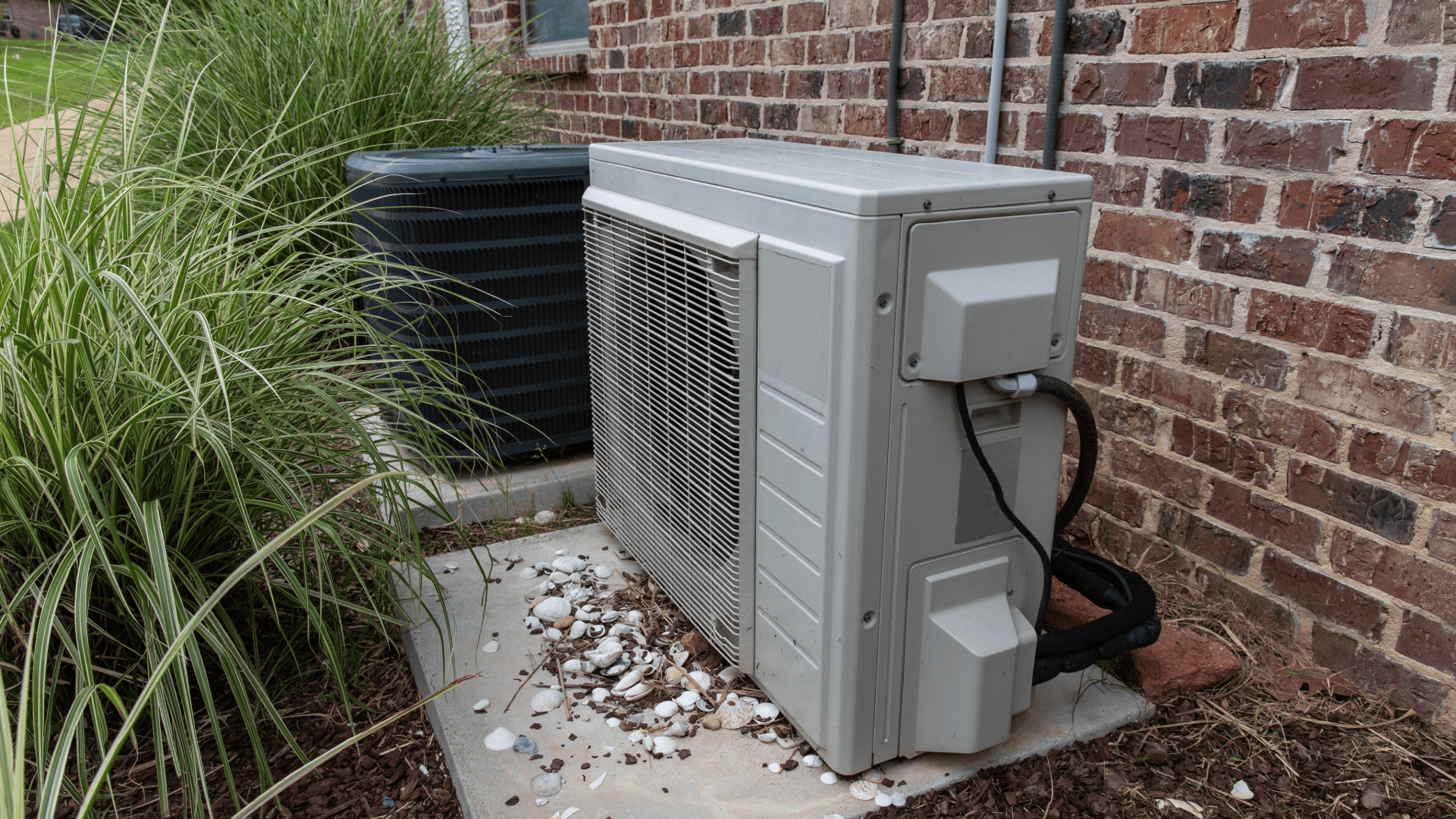
Heat pump service in Northern Virginia
PRO Electric plus HVAC provides heat pump installation, replacement, repair, and maintenance across Fairfax, Loudoun, Arlington, and Prince William counties. We review the equipment, controls, airflow, and electrical requirements as parts of the same project.
A clear place to start
Starting fresh or switching systems? Match the equipment to your home, its electrical capacity, and the comfort you want.
Plan an installationReview the existing equipment, indoor components, ducts, backup heat, and total project scope before choosing a replacement.
See the replacement processNo heat, weak cooling, unusual cycling, or recurring ice? We assess the cause before recommending the work.
Call about a repairPlan care for a system that heats and cools. Bring up comfort changes, service history, and any control messages.
Explore the service agreementCall for current availability and ask about diagnostic charges.
See the idea in motion
Winter brings heat indoors. Summer moves it outside. Choose a season to see how one air-source system does both jobs.
Bring heat indoors
In heating mode, an air-source heat pump uses refrigerant and a compressor to move heat from outdoor air into the home.
A few clicks. A useful conversation.
Choose your goal and current equipment. Get a practical brief for the questions your home needs answered.
Leave for safety and call 911. Do not stay inside to investigate.
Not sure? We can still help you plan the next step.
Use information you already have. No covers to remove or tests to perform.
Choose a project goal and the equipment you have. We’ll help you organize the next step.
For suspected gas, avoid switches, flames, and phone use until outside, then also call your gas utility. Do not re-enter until emergency responders allow it. Do not wait for an estimate response.
Questions for your project
Not sure? We can help identify the system.
This planner organizes a conversation. It does not confirm suitability, size equipment, calculate savings, diagnose a fault, or book service. Your selections are not sent.
The thermostat message that causes confusion
Click a label to understand it before changing a setting. This illustrates common operation; your equipment instructions take priority.
ILLUSTRATIVE DISPLAY
Heat pump available
Illustration only. These buttons do not control your thermostat.
Normal heating mode
HEAT is the normal heating setting on many heat-pump thermostats. The system manages the heat pump and any configured backup according to its controls.
Normal heating selection on many systems.
Usually automatic supplemental heat.
Typically a manual choice to use backup heat.
Tell us what the thermostat shows and whether the home is warming. Do not force repeated resets or bypass a safety control.

Different homes. Different arrangements.
Ducted and ductless describe how comfort reaches the rooms. Air-source and ground-source describe where the system exchanges heat.
A central system can serve the home through ducts. Their condition, airflow, and return paths need to support the proposed equipment.
Mini-splits can serve rooms, additions, or homes where ducts are impractical. Each zone still needs sizing, placement, drainage, and power planning.
Explore mini-splitsA compatible furnace can provide another heat source. Controls, changeover operation, and energy costs determine how the arrangement should work.
Geothermal exchanges heat with the ground. Loop design, land or drilling access, ground conditions, and specialist scope need a separate assessment.
ENERGY STAR heat pump planning ↗ · Ask us to confirm the available scope for a geothermal project.
The equipment and the power behind it
PRO Electric plus HVAC brings both trades to the project under Virginia contractor license 2705181607. The electrical scope belongs in the plan from the beginning.
Review the home's electrical load, service and panel, and the proposed equipment, including backup heat.
Plan the required circuits, disconnects, and equipment connections. Not every heat pump needs a panel upgrade.
Address airflow, refrigerant setup, drainage, controls, and commissioning requirements for the selected system.
Compare the full picture
Compare the full scope: outdoor and indoor equipment, ducts or zones, controls, backup heat, electrical work, access, and required permits.
Review your current bills, fuel and electricity rates, insulation, and expected backup use. Higher rated efficiency does not promise a specific utility bill.
Ask about calculated heating and cooling loads, cold-weather capacity, SEER2 cooling efficiency, and HSPF2 heating efficiency.
Checked October 5, 2026: federal 25C credits do not apply to new equipment placed in service after December 31, 2025. The 25D credit for qualifying geothermal equipment also ended for new installations after that date.
Virginia Energy currently lists its Home Energy Rebate programs as not yet available. Utility programs are separate. Confirm eligibility, timing, and any preapproval before including an incentive in your budget.
Financing is available on request. Ask about the veteran and military discount program. Confirm the terms that apply to your project.
A process you can follow
Discuss the rooms, current equipment, bills, and the comfort problem or project goal.
Assess load, equipment options, ducts, controls, electrical needs, and applicable approvals.
Compare the proposed work, price, warranty terms, and scheduling before authorizing it.
Check the completed work and explain operation, care, and the backup-heat controls.
HVAC and electrical needs reviewed together under Virginia license 2705181607.
Review the proposed work and price before authorizing the repair or installation.
Ask about current availability. Equipment, parts, access, and approvals can affect timing.
Local experience. Real feedback.
Read reviews of PRO Electric plus HVAC from homeowners and businesses in our community.

Let’s make home feel right
Tell us about your current system and what you want to improve. Start with a free heat pump project estimate.
For a system that has stopped heating or cooling, call about availability and diagnostic charges. Submitting this form does not confirm an appointment or dispatch help.
Select Heating, then Heat Pump when shown. Include your service address, current equipment if known, and your project goal. You can paste your project brief into the details.
Prefer another way to reach us? Visit our contact page.
Answers before the visit
Costs, cold weather, electrical needs, controls, and the choices that affect your project.
Ask PRO: 703-225-8222We provide heat pump installation, replacement, repair, and maintenance in Northern Virginia. Our team can also review the electrical circuits, capacity, and controls involved in the project. Call 703-225-8222 or request an estimate to discuss your home and service needs.
An air-source heat pump transfers heat between the home and outdoor air. It moves heat indoors in winter and outdoors in summer. Refrigerant carries the heat between the equipment; the process does not mean outdoor air is blown into your rooms.
It depends on the equipment being replaced, local fuel and electricity rates, heat loss, system sizing, installation, and backup-heat use. Heat pumps can use less electricity for heating than electric resistance equipment. Compare your actual bills and project options before assuming a savings amount or payback period.
A properly selected and installed heat pump can provide heating in Northern Virginia. Review the home's calculated heating demand, the proposed unit's capacity at low outdoor temperatures, and the backup-heat plan. Cold-climate capability varies by model; no single temperature cutoff applies to every home.
AUX generally indicates automatic supplemental heating. EM HEAT is typically a manually selected setting that bypasses the outdoor heat pump and uses the installed backup source. Controls and backup equipment vary. Unexpected or persistent operation should be reviewed instead of assuming either message is always normal or always a fault.
First understand why it was selected. If it was selected for a known equipment fault, ask for service guidance before changing it. If it was selected accidentally and the system is operating normally, follow your equipment instructions to return to HEAT. Do not treat a website explainer as confirmation that equipment is safe to restart.
Not every installation requires a panel upgrade. We review the electrical load, service capacity, panel condition, available circuit space, and the proposed equipment, including backup heat. Breaker spaces alone do not establish capacity. The electrical scope should be understood before the project is finalized.
Sometimes. Existing ducts need to support the required airflow and serve the rooms properly. Duct sizing, leakage, return paths, and insulation may affect the design. A ductless mini-split can be an option where adding ducts is impractical, but it still needs project-specific sizing and installation planning.
A dual-fuel arrangement pairs a heat pump with a compatible fuel-fired furnace. The design must address equipment compatibility, controls, changeover operation, and energy costs. Keeping a furnace may be useful in some homes; it is not automatically the best choice for every project.
Ground-source, or geothermal, heat pumps exchange heat with the ground rather than outdoor air. A ground-loop project needs a separate review of the property, ground conditions, installation access, and project budget. Ask us to confirm the available scope and specialist coordination for your location.
The total depends on equipment, capacity, indoor components, ducts or zones, electrical work, backup heat, access, controls, and applicable permits. We provide a project-specific estimate rather than a price based only on square footage. Confirm diagnostic charges separately when requesting repair service.
The federal 25C Energy Efficient Home Improvement Credit does not apply to property placed in service after December 31, 2025. Federal 25D clean-energy credits, including qualifying geothermal equipment, also ended for new property placed in service after that date. Check current Virginia Energy and utility program rules before relying on a rebate; eligibility and availability are separate from federal tax credits.
Follow the equipment manufacturer's care and service schedule, and discuss professional maintenance for both heating and cooling operation. Filter care, airflow, drainage, controls, electrical components, and equipment condition all matter. Tell us about changes in comfort even if the system still runs.
We serve Fairfax, Loudoun, Arlington, and Prince William counties, including Falls Church and surrounding Northern Virginia communities. Share your service address and project needs so we can confirm availability, access, and the scope of the visit.
Your Northern Virginia team
We serve homeowners across Fairfax, Loudoun, Arlington, and Prince William counties, including Falls Church. Share your address and project needs so we can discuss availability and scope.
CO alarm, suspected gas, smoke, or fire? Get outside to safety and call 911. For suspected gas, avoid switches, flames, and phone use until outside, then also call your gas utility. An electric heat pump does not remove risks from other fuel-burning equipment.
Start with your questions. We’ll help define the next step.
PRO ELECTRIC plus HVAC
Find a tool. Plan a project. Get the right help.
Useful starting points for your next repair or project.
Switch example loads on and off to see how demand adds up.
SimulatorExplore household loads before discussing a breaker or panel concern.
GuideOrganize the outage details that help identify the right next call.
SimulatorCompare illustrated power events with and without a panel surge protector.
GuideChoose an observed warning sign for immediate next-step guidance.
PlannerAnswer four questions to prepare for a service-disconnect conversation.
PlannerBuild a useful brief for a renovation, addition, or wiring concern.
PlannerChoose your situation and concerns to prepare an inspection brief.
PlannerTurn a report or notice into questions and records for your electrician.
ChecklistCollect known alarm concerns into a service-request brief.
PlannerDescribe a device problem or upgrade and prepare a clear service request.
ServiceExplore electrical installation for a hot tub or spa.
ServiceRequest a professional review of your home’s electrical system.
ServiceExplore the electrical work for a home infrared sauna.
CalculatorCompare the time needed to replace a typical day’s driving.
SimulatorSee how an example EV charger changes simultaneous household demand.
PlannerSelect essential loads and an outage length to explore an energy target.
ServiceExplore standby generator options and installation for your home.
PlannerChoose your lighting goal and build a brief for your estimate.
ExplorerTry warm or cool light and switch between ambient, task, and accent layers.
PlannerSelect outdoor areas and controls to build a lighting brief.
FinderMatch an outdoor area and project goal to a useful planning brief.
ExplorerTry lighting layers for paths, steps, patios, and garden details.
CalculatorCompare electricity use and running cost for a group of lights.
PlannerChoose connected-home goals, a platform, and your project stage.
PlannerCompare the support, ceiling, and location details for your fan project.
FinderChoose your cooling goal and prepare for the next conversation.
GuideCollect observed symptoms and a short note for your service call.
ChecklistReview changes you have noticed and prepare a service conversation.
PlannerDescribe your space, ductwork, and priorities for an installation estimate.
PlannerBring system age, performance, and project goals into one planning brief.
GuideUse current observations to discuss a tune-up or another service visit.
GuideOrganize cooling-breakdown symptoms before you call for help.
PlannerTurn room-by-room comfort needs into a clear installation brief.
FinderChoose a heating goal and your equipment to organize the next step.
GuideDescribe what your heating system is doing and prepare a service note.
PlannerReview your equipment and service history, then plan a reminder.
PlannerPrepare questions about equipment, ducts, and comfort priorities.
CalculatorCompare quoted upfront amounts and annual energy costs over your chosen period.
PlannerExplore a heat-pump project using your goals and current equipment.
PlannerReview service history and set a personal reminder to arrange heating care.
ServiceReview what is involved in replacing your heating and cooling system.
PlannerMap home, away, and sleeping times for a thermostat planning note.
PlannerOrganize your equipment details and indoor-air goals for a service conversation.
PlannerCombine a humidity reading and window observations into a useful service note.
Try a shorter phrase such as “no heat,” “EV charger,” or “outlet.”
Ask our team for help