By Peter, Master Electrician | PRO Electric plus HVAC | Electrical Panel Upgrades
BOTTOM LINE UP FRONT (BLUF)
Electrical panel warning signs, including frequent breaker trips, flickering lights, burning odors, buzzing noises, warm panel surfaces, and visible damage, are not normal occurrences. They often indicate the panel is overloaded, outdated, or failing. Early recognition and prompt professional inspection can prevent serious hazards such as power outages, appliance damage, or electrical fire risk.
Learn the key electrical panel warning signs to watch for in your home. Frequent breaker trips, flickering lights, buzzing, burning odors, and warm panels often indicate that your electrical system needs a professional evaluation and possible upgrades.
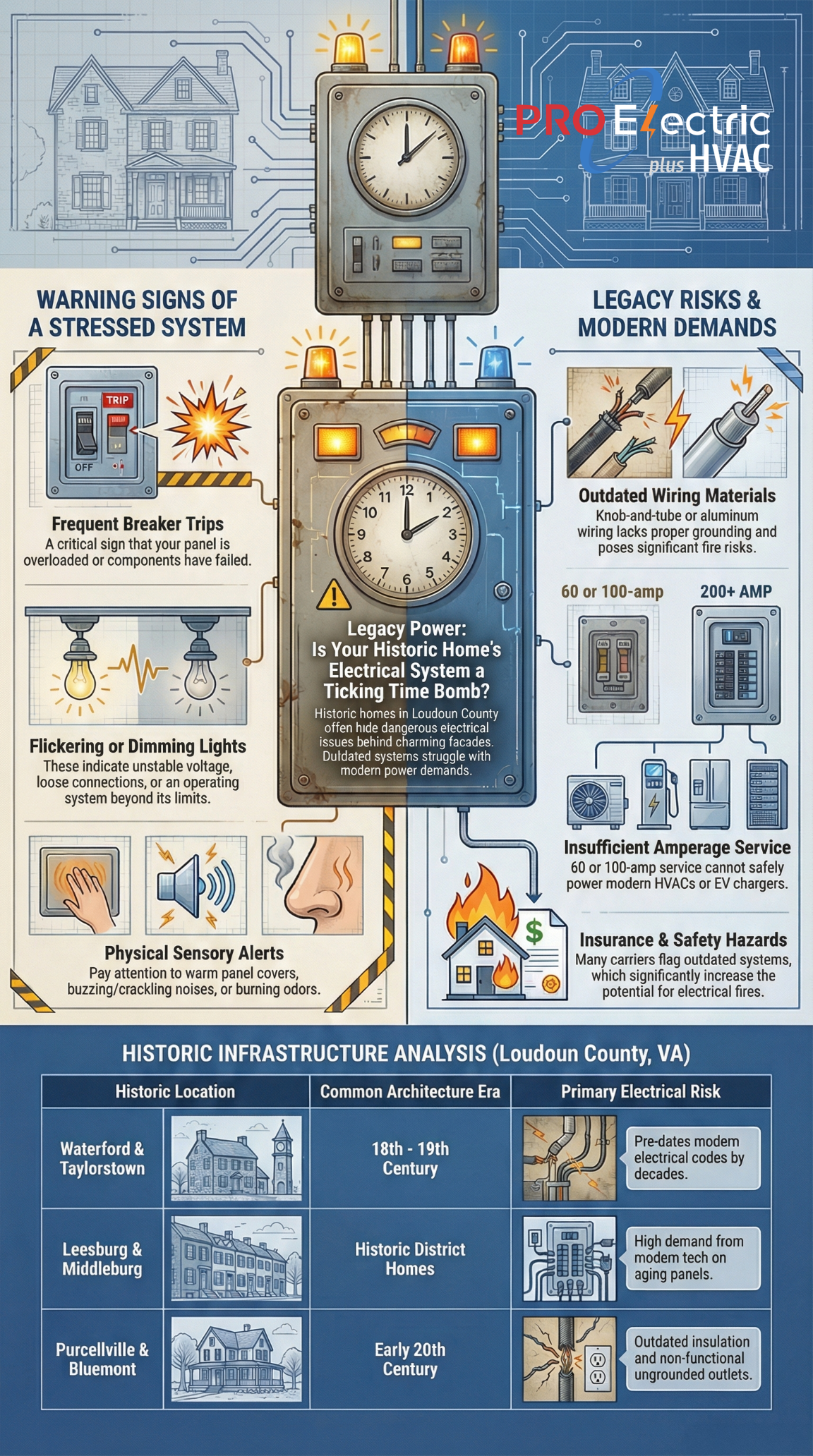
Challenges and Risks Every Historic Homeowner Should Know
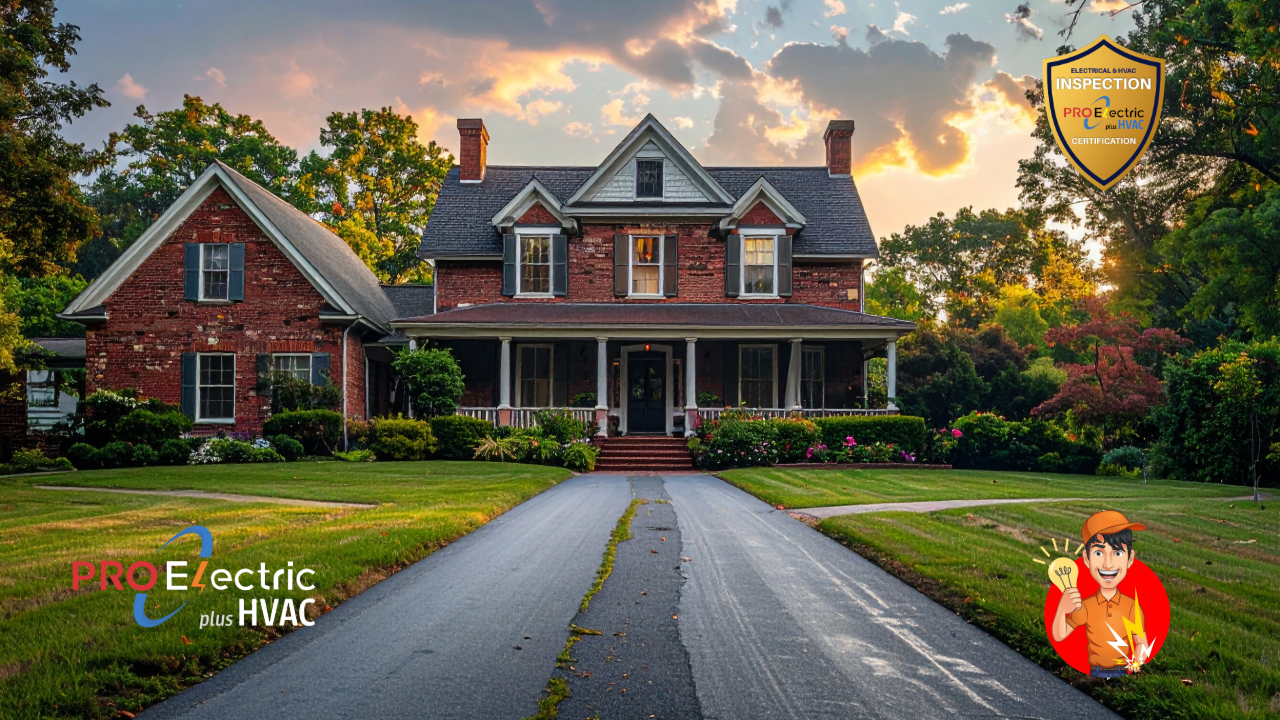
Loudoun County is home to some of the most charming and historic communities in Virginia. Places like Waterford and Taylorstown feature 18th- and 19th-century architecture still standing today, with homes built long before modern electrical systems existed.
Many other towns, such as Leesburg, Middleburg, Purcellville, Aldie, and Bluemont, also have older residences and historic districts. These properties reflect the region’s long history but also pose challenges for 21st-century electrical infrastructure.
Owning a historic home in Loudoun County brings pride and character—but it also comes with unique electrical concerns that homeowners often overlook until they become serious safety hazards.
Why Older Homes Are More Prone to Electrical Panel Problems
Homes built decades ago were never designed to accommodate the power demands of today’s technology. In many older houses, electrical systems remain unchanged or have been patched over time without full upgrades. This places additional strain on components such as panels and breakers.
Modern appliances, HVAC systems, EV chargers, home offices, and entertainment systems all increase electrical demand—far beyond what wiring and panels were originally rated to handle.
Common Electrical Panel Issues in Older Loudoun County Homes
Here are 25 of the most frequent challenges older homes face with electrical panels:
- Outdated panels that lack modern safety features, like AFCI and GFCI protection.
- Panels that can’t handle modern load demands, leading to overloaded circuits.
- Frequent breaker trips are a sign of overload or failed components.
- Flickering or dimming lights indicate unstable voltage or loose connections.
- Warm or overheated breakers, which can signal internal stress.
- Buzzing or crackling noises from the panel or outlets.
- Old fuse boxes instead of circuit breakers, reducing safety and capacity.
- Knob-and-tube or fabric-insulated wiring, common in the earliest houses, lacking grounding.
- Aluminum wiring, which expands, loosens connections, and overheats over time.
- Insufficient amperage service (like 60 or 100 amps) for modern homes.
- Loose or corroded panel connections from age or moisture exposure.
- Lack of grounding, increasing shock risk.
- Two-prong ungrounded outlets, common in older electrical systems.
- Broken or nonfunctional outlets due to wear and aging wiring.
- Voltage fluctuations during peak household use.
- Inadequate number of circuits, forcing overloaded breakers.
- Incompatible components, where modern breakers don’t fit older panels.
- DIY electrical modifications done over decades without professional oversight.
- Corrosion on bus bars and breakers, reducing conductivity.
- Aging insulation on wiring, which becomes brittle and unsafe.
- No surge protection, leaving electronics vulnerable.
- Panel labels that are missing or inaccurate, making service harder.
- Restrictions on historic homes during renovations, delaying electrical upgrades.
- Insurance challenges, as many carriers flag outdated systems.
- Higher fire risk, as overloaded circuits and worn components increase hazard potential.
A Deeper Look at the Risks
Older electrical systems weren’t built for today’s power needs. According to electrical safety experts, outdated wiring, inadequate grounding, and overloaded circuits are among the top issues found in older homes.
Flickering lights, warm outlets, buzzing sounds, and frequent breaker trips aren’t just annoyances. They’re early indicators of deeper problems—often hiding in plain sight behind the panel door.
Knob-and-tube wiring and aluminum conductors, once considered acceptable, no longer meet current safety standards and may increase fire risk.
What This Means for Loudoun County Homeowners
If you live in older areas of Waterford, Taylorstown, Leesburg, Middleburg, Purcellville, or Bluemont, understanding the state of your electrical system is not optional—it’s essential for your safety. These towns and historic districts have homes that predate modern electrical codes by decades, and electrical systems installed at the time often struggle to meet contemporary demands.
Upgrading panels, rewiring outdated branches, adding grounding, and installing modern protective devices can drastically improve safety and reliability.
Final Thoughts
Historic homes are treasured for their charm and character, but their electrical systems deserve the same care and respect. What once safely powered a few lights and simple appliances may now be taxed by a high-demand lifestyle.
Recognizing the signs of an outdated or stressed electrical panel before an emergency can help protect your home, belongings, and loved ones.
Being proactive about electrical safety isn’t just smart. It’s responsible.
Would you like a personalized checklist for evaluating electrical panel risks in your historic Loudoun County home?
📞 Call 703-225-822 now or book online for installation guidance.
Loudoun County, VA FAQs
What are common warning signs that an electrical panel is failing in an older home?
Frequent breaker trips, flickering lights, warm panel covers, buzzing sounds, and burning odors are all signs that your electrical panel may be struggling or deteriorating and needs professional attention.
Why do circuit breakers keep tripping in older homes?
Circuit breakers trip to protect wiring when the panel is overloaded, wired incorrectly, or when outdated panels cannot handle modern electrical loads. Frequent trips often indicate a deeper issue.
Can flickering or dimming lights signal a panel problem?
Yes. Lights that flicker or dim when appliances start can indicate voltage instability, loose connections, or an overloaded panel.
Is an electrical panel over 25 years old considered outdated?
Yes. Panels older than 25 years are often outdated and may lack safety features needed for modern electrical demands, especially in historic homes.
Can outdated electrical panels increase the risk of fire?
Absolutely. Outdated panels with worn components, loose connections, or corrosion are more likely to overheat and cause fire hazards.
What does a burning smell near an electrical panel mean?
A burning smell near the panel often indicates overheated wires or breakers and should be treated as an urgent safety risk requiring evaluation by a licensed electrician.
Can an old panel handle modern appliances and EV chargers?
Many older panels cannot support the power needs of modern appliances, HVAC systems, or EV chargers without upgrades, which can lead to frequent breaker trips and safety risks.
Are buzzing or crackling sounds from an electrical panel dangerous?
Yes. Buzzing or crackling noises typically indicate electrical arcing, loose connections, or internal heat stress within the panel—issues that require professional inspection.
Should older homes be inspected more frequently for electrical panel issues?
Yes. Homes with older electrical systems should have their panels inspected every few years to catch early warning signs before they become dangerous.
Can an electrical panel be upgraded without affecting a historic home’s character?
Yes. With proper planning and expert electricians, electrical upgrades can be made while preserving the architectural character of older, historic homes.