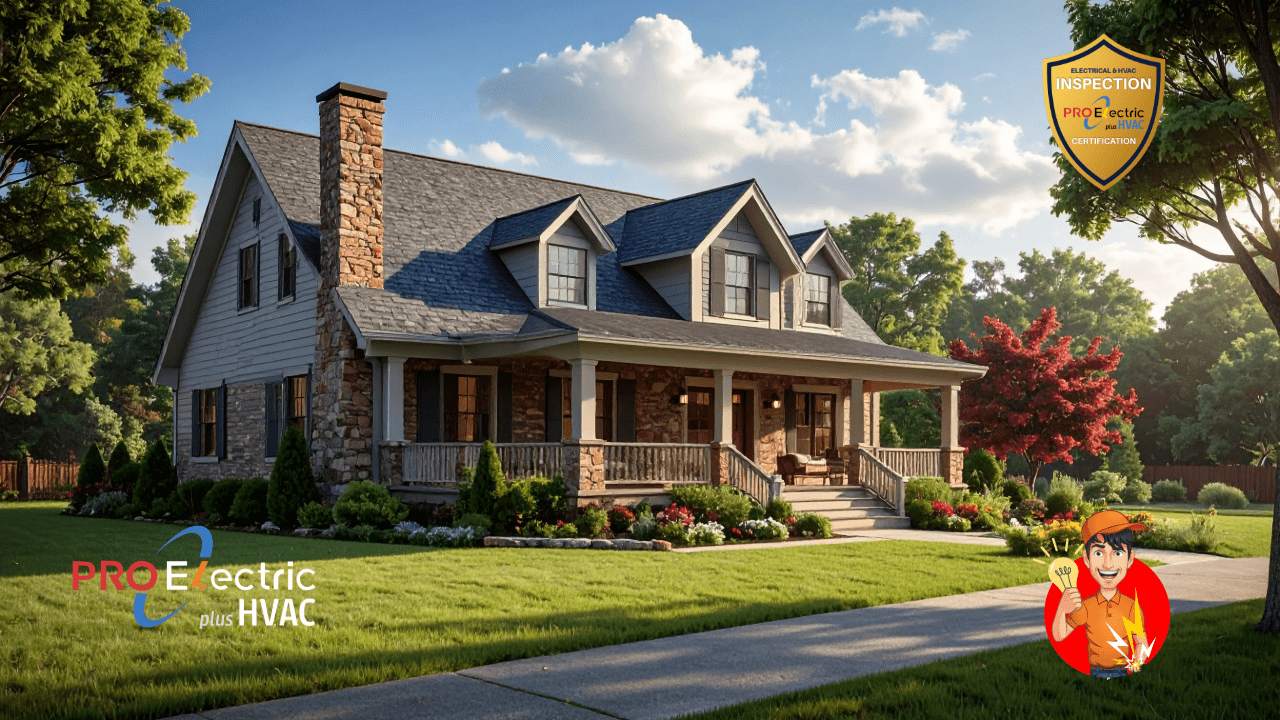
Clifton, VA has some of the oldest and most architecturally distinctive homes in Fairfax County. It also has some of the most complex electrical histories — properties that have been renovated, expanded, and modified by generations of owners, not all of whom used licensed contractors or pulled permits. The buyers who discover this after closing do not get a refund.
What a General Home Inspector Is and Is Not Licensed to Do
Virginia licenses home inspectors through its Department of Professional and Occupational Regulation. A licensed home inspector is trained to perform a visual, non-invasive assessment of a property’s major systems — including the electrical system — and to report on visible conditions and apparent defects. They are not licensed electricians. They are explicitly not expected to open panels beyond a visual scan, to test individual circuits under load, to assess wire gauge against circuit breaker sizing, or to identify code violations that require technical electrical knowledge to recognize. The scope of a home inspection is broad by design. Its depth on any individual system is limited by that same breadth.
What a Home Inspector Typically Reports on Electrical
A typical home inspection report on the electrical system in a Clifton property will note the panel brand and apparent amperage, flag any obviously missing covers or visible damage, test a sample of outlets for polarity and grounding, and note the absence of GFCI protection at visually accessible locations in required areas. That is a useful surface-level summary. It does not include assessment of the wire types and gauges inside the walls, verification that breaker sizing matches circuit conductor ratings, evaluation of the panel’s internal busing and connection integrity, or any load testing that reveals how the system performs under realistic demand conditions.
What a Licensed Electrician Finds That a Home Inspector Typically Misses
- Double-tapped breakers and overloaded circuits not visible in a surface scan
- Aluminum branch wiring with improper copper terminations
- Federal Pacific or Zinsco panels missed because brand labels are often faded or removed
- Undersized wiring behind walls relative to the circuit breaker rating
- Abandoned wiring left energized from prior renovations
- Junction boxes buried in walls or ceilings without access covers
- Unpermitted wiring additions not reflected in any county record
Clifton’s Older Homes and the Specific Electrical Risks They Carry
Clifton is unique among Fairfax County communities in the age and character of its housing stock. Many properties in Clifton’s historic town center and surrounding area date to the early and mid-twentieth century. These homes carry electrical histories that can include knob-and-tube wiring in walls and attics, early aluminum branch wiring, and panels that predate modern safety standards by decades. Some have been partially upgraded — a new panel here, a rewired kitchen there — without comprehensive system documentation. The result is a patchwork of wiring generations that requires a licensed electrician with direct inspection access to evaluate honestly.
The Pre-Purchase Electrical Inspection: What It Includes
A pre-purchase electrical inspection by PRO Electric plus HVAC covers the panel interior — breaker types, wire gauges, busing condition, and connection integrity — as well as accessible wiring in unfinished spaces like basements, attics, and crawl spaces. We test outlets throughout the home for polarity, grounding, and GFCI function. We assess the panel brand and model against known failure history data. We identify unpermitted work where evidence exists. The result is a written report that tells a buyer exactly what the electrical system contains, what code compliance gaps exist, and what the estimated cost to correct them looks like — before any money changes hands.
Related Articles
Using Inspection Findings in the Purchase Negotiation
A documented pre-purchase electrical inspection gives a buyer factual, specific leverage in the negotiation process. Rather than a general home inspector’s note that says “recommend evaluation by a licensed electrician,” a buyer armed with a specific findings report from PRO Electric plus HVAC can request a price adjustment or seller credit for a defined, estimated correction scope. That difference — specific versus vague — is significant in negotiation. Sellers and their agents respond to specific numbers backed by a licensed contractor’s written assessment in ways they do not respond to general recommendations for further evaluation.
For Sellers: Why Getting an Inspection First Changes the Conversation
Sellers in Clifton who commission a pre-listing electrical inspection before going to market gain two things: the ability to correct issues before buyers discover them, and the ability to document that corrections were made. A listing that includes documentation of a recent electrical inspection and any resulting corrections performed by a licensed contractor stands on substantially firmer ground than one where buyers are left to wonder what the electrical system contains. PRO Electric plus HVAC works with both buyers and sellers throughout Clifton and Fairfax County on electrical inspections timed to the transaction.
Serving Clifton, Fairfax Station, Burke, and All of Fairfax County
PRO Electric plus HVAC delivers pre-purchase and pre-listing electrical inspections with written findings reports that give buyers and sellers real information — not vague recommendations.
Book a Pre-Purchase Electrical Inspection
703.225.8222
Frequently Asked Questions
Do home inspectors check electrical systems thoroughly in Clifton, VA?
No. Home inspectors perform a visual, non-invasive review of the electrical system. They do not open panels in detail, test circuits under load, or evaluate wiring behind walls. A licensed electrician is required for a deeper and more accurate assessment.
What electrical issues are commonly missed during a home inspection?
Commonly missed issues include double-tapped breakers, undersized wiring, aluminum wiring problems, outdated or unsafe panels, hidden junction boxes, and unpermitted electrical work from past renovations.
Why are older homes in Clifton at higher electrical risk?
Older Clifton homes often have multiple generations of wiring, including knob and tube systems, aluminum wiring, and outdated panels. Many have been partially upgraded over time, creating a mix of electrical systems that require professional evaluation.
What does a pre purchase electrical inspection include?
A pre purchase inspection includes a detailed review of the electrical panel, breaker types, wiring condition, outlet testing, grounding verification, GFCI functionality, and identification of code issues or unpermitted work. The result is a written report with findings and estimated correction costs.
Can an electrical inspection help during home purchase negotiations?
Yes. A detailed report from a licensed electrician provides specific findings and repair estimates, giving buyers leverage to request price adjustments or seller credits based on real, documented electrical conditions.
References
Virginia Department of Professional and Occupational Regulation. (2024). Home inspector licensing requirements and standards of practice. Commonwealth of Virginia. https://www.dpor.virginia.gov
National Fire Protection Association. (2023). NFPA 70: National Electrical Code, 2023 edition. National Fire Protection Association.
American Society of Home Inspectors. (2024). ASHI standards of practice for home inspections. ASHI. https://www.homeinspector.org
Fairfax County Department of Land Development Services. (2024). Permit history and records search. Fairfax County Government. https://www.fairfaxcounty.gov/landdevelopment