HVAC and Electrical Experts
Written by Peter
Master Electrician at PRO Electric plus HVAC, serving Fairfax, Loudoun, Arlington, and Prince William Counties. Virginia License #2705181607.
A Real Tune Up Is More Than a Quick Look at the System.
HVAC maintenance across Fairfax, Loudoun, Arlington, and Prince William Counties.
Hi, I am Peter, the Master Electrician at PRO Electric plus HVAC. People ask me whether an HVAC tune up is really worth it or just an upsell, and it is a fair question. The honest answer is that a real tune up is worth it, but it depends on what is actually being done. A quick glance and a filter swap is not a tune up. Let me explain what a proper maintenance visit includes so you know what you are paying for and why it pays off.
Think of it like an oil change for your heating and cooling system. The point is to catch small problems while they are still small, keep the system running efficiently, and avoid the breakdown that always seems to happen on the hottest or coldest day. A good tune up does that across both the cooling and heating sides over the year.
What a proper tune up includes
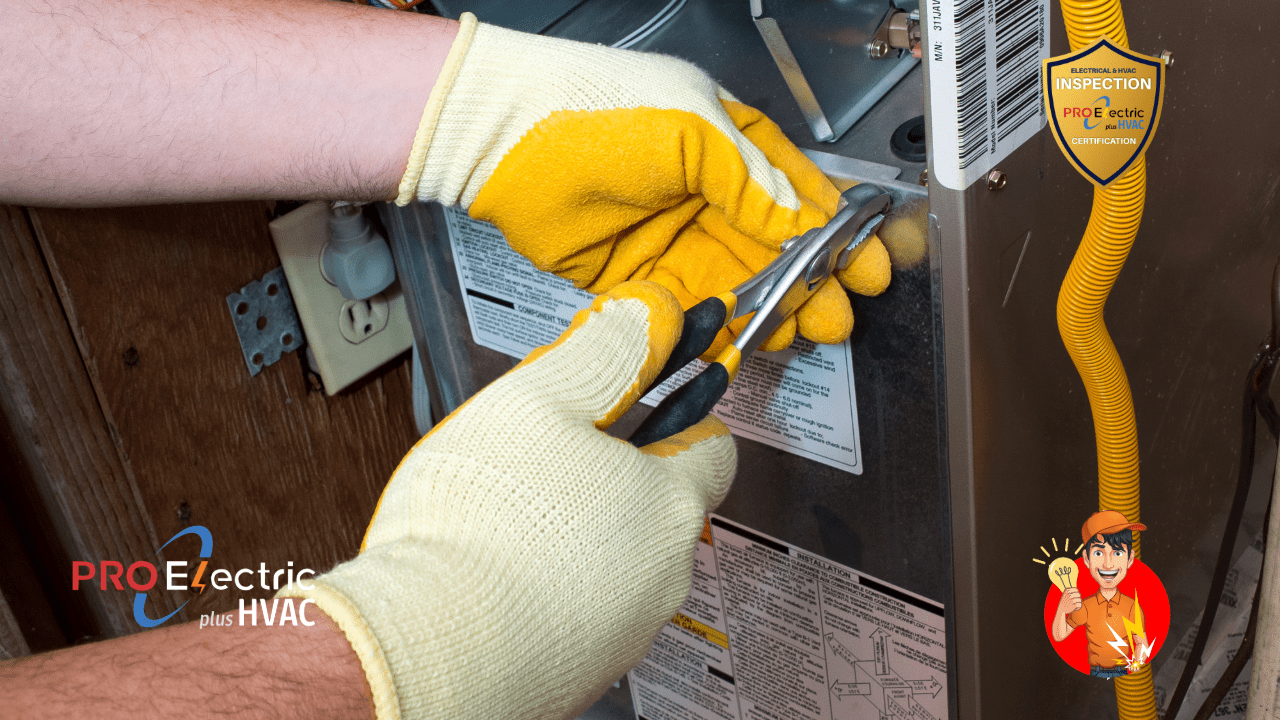
- Cleaning the parts that get dirty. Coils, the blower, and other surfaces collect dirt that drags down efficiency. Cleaning them is a core part of the visit and connects to good airflow from your vents.
- Checking refrigerant and electrical parts. A technician checks the refrigerant charge on the cooling side and inspects electrical connections, the capacitor, and the contactor, the parts that commonly fail.
- Inspecting the heating side. On a furnace, that includes the burners, ignition, and a check of the heat exchanger for safety, which ties into carbon monoxide protection.
- Filter, drain, and thermostat. Replacing or checking the air filter, clearing the condensate drain, and confirming the thermostat is reading and cycling correctly.
The real value is catching problems early
Here is why I tell people maintenance pays for itself. Most expensive HVAC failures give warning signs, a weak capacitor, a low charge, a dirty coil, a drain starting to clog, that a tune up catches while they are cheap to address. Skipping maintenance is how those small issues grow into a failed compressor or a no heat call in January. A tune up also keeps efficiency up, which shows on your energy bill, and it is often required to keep a manufacturer warranty valid.
Is it worth it?
For most homeowners, yes. A maintained system runs more efficiently, lasts longer, breaks down less, and keeps its warranty intact. The visit often pays for itself through lower energy use and by heading off a big repair. It also feeds directly into the decision of whether to repair or replace an aging system, because a technician who knows your system can tell you honestly where it stands. Twice a year, once before cooling season and once before heating season, is the usual rhythm.
How we help
We do a full tune up, not a quick look, covering cleaning, electrical and refrigerant checks, the heating side and its safety, and the filter, drain, and thermostat, then tell you plainly what we found. We handle HVAC maintenance across Northern Virginia.
Frequently asked questions
What does an HVAC tune up include?
A proper tune up includes cleaning the coils, blower, and other parts that collect dirt, checking the refrigerant charge and electrical components like the capacitor and contactor, inspecting the heating side and heat exchanger for safety, and handling the filter, condensate drain, and thermostat. It is a full check, not just a quick look and a filter swap.
Is an HVAC tune up worth it?
For most homeowners, yes. A maintained system runs more efficiently, lasts longer, and breaks down less, and a tune up catches small problems while they are cheap to fix. It also helps keep energy bills down and is often required to keep a manufacturer warranty valid, so it tends to pay for itself.
How often should I get an HVAC tune up?
The usual rhythm is twice a year, once before the cooling season and once before the heating season, so each side is checked before it works hardest. At a minimum, a system should be serviced once a year. Regular maintenance is also what keeps many manufacturer warranties valid.
Does a tune up lower my energy bills?
It can. Dirty coils, a clogged filter, a low refrigerant charge, and worn parts all make a system work harder and use more energy. Cleaning and correcting those during a tune up restores efficiency, which shows up as lower heating and cooling costs over the season.
Can a tune up prevent breakdowns?
It helps a great deal. Most expensive failures give early warning signs, like a weak capacitor, a low charge, or a clogging drain, that a tune up catches while they are still minor. Addressing them early is what prevents the sudden no cooling or no heat call on the worst day of the season.
Due for a tune up?
HVAC maintenance across Northern Virginia.