

Buzzing, flickering, or a warm dimmer usually comes down to the bulb, the dimmer, or the load. Here is what each sign means and how to fix it.
Buzzing, flickering, or a warm dimmer usually comes down to the bulb, the dimmer, or the load. Here is what each sign means and how to fix it.

When remodeling a bathroom with multiple electrical circuits, it's important to follow key safety guidelines. Avoid common mistakes like overloading circuits, skipping GFCI protection, and using non-waterproof outlets. Ensuring proper circuit capacity, labeling, and hiring a licensed electrician will keep your bathroom safe and code-compliant.
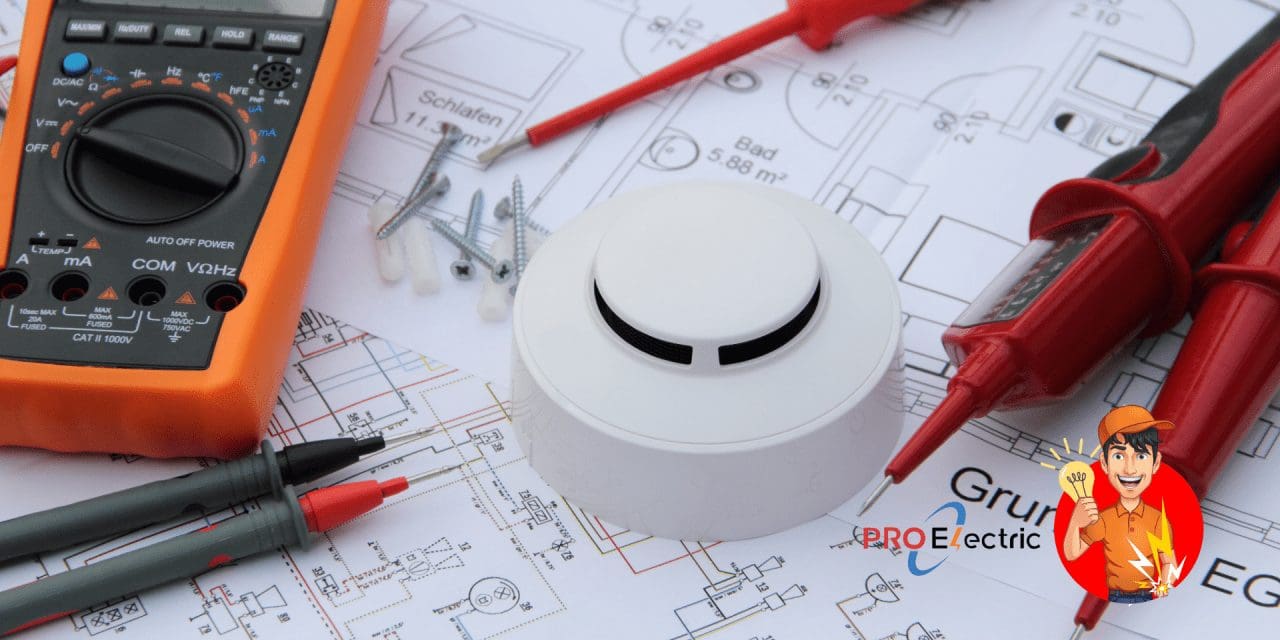
Electrical permits are essential for ensuring your home’s electrical work meets safety standards and local codes. Hiring an unlicensed electrician or skipping the permit process can lead to serious risks, including fire hazards, insurance denial, and legal consequences. Always hire a licensed professional and secure the necessary permits to protect your home in Fairfax, VA.

Getting the wrong electrician for the job could put your home at risk of electrical fires. Bad wiring, overloaded power points and poor grounding can lead to tens of thousands of pounds worth of damage, not to mention injury or worse. When it comes to electricity, you get what you pay for. Always make sure that the work is done by a licensed company who adheres to the rules and gets the job done safely and correctly.
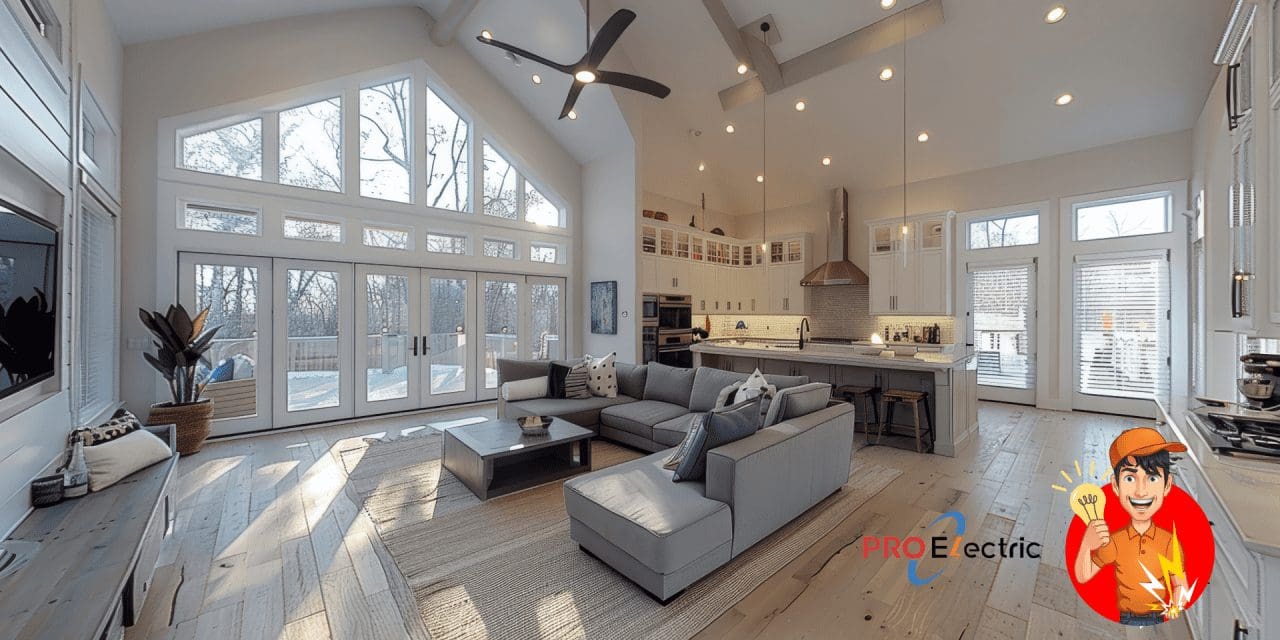
There are many approaches to buying ceiling fans specifically for a new home both on the internet and through brick-and-mortar stores like Walmart, Target, Lowes, or Depot. For online, top sites such as Amazon or Wayfair. com provide an impressive range, be it with lights, without them, with customer opinions, etc. Shoppers may visit stores such as Home Depot or Lowe’s and see all fans first hand, claim an expert. Those that are looking for stylish or designer equipment can find it from lighting shops like Lumens and Del Mar Fans & Lighting as these special shops usually have attractive collections. These retailers provide online and physical shops conducive in buying any ceiling fan necessary for any house.

DIY light fixture installation involves more than just swapping out an old fixture for a new one. From selecting the right tools and understanding wiring to ensuring fire safety and code compliance, each step requires careful consideration. While buying fixtures from Amazon, Home Depot, Lowes, Target, or Walmart is convenient, the installation process demands respect for the risks involved. When in doubt, or if the installation seems too complex, consider hiring a professional to ensure a safe and reliable outcome.
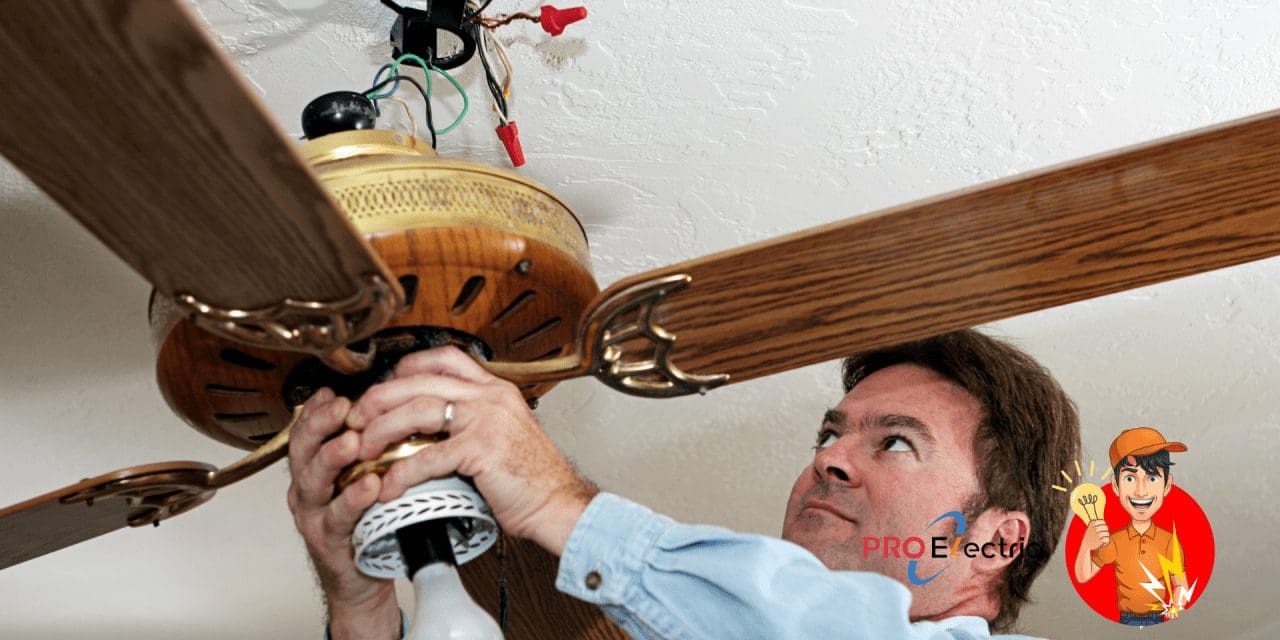
Installing a ceiling fan may seem simple, but it involves significant risks, particularly with electrical work. Homeowners often encounter questions when considering DIY installation. Here’s a detailed guide that addresses key concerns and why hiring PRO Electric is the safest option.
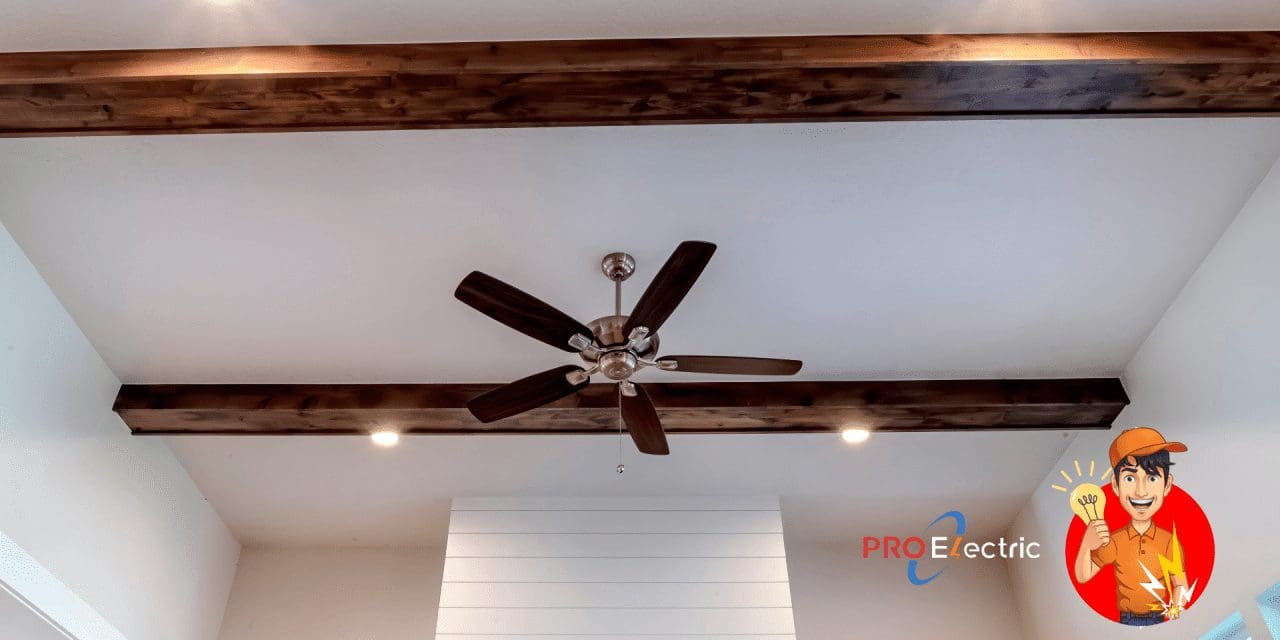
Installing a ceiling fan can greatly enhance the comfort of your home, but it requires careful consideration of several factors. This guide, presented by PRO Electric LLC in Northern Virginia, addresses key questions homeowners often have, from the tools needed and wiring specifics to choosing the right fan size and deciding whether professional installation is necessary. Whether you’re replacing a light fixture or installing a fan on a sloped ceiling, our expert insights ensure a safe and efficient installation process.

Power arcing is a dangerous thing that most people in Loudoun County do not realize. It looks at what causes power arcing, how it affects energy use, and important fire safety precautions for homeowners. You can save money on repairs and keep your family safe by knowing about these dangers and doing something about them early.

Greetings dear readers, and welcome to another episode of "How NOT to Wire Your House". Today's feature presentation? A dazzlingly dreadful tale from a seemingly quiet home in Falls Church. I hope you're strapped in and wearing rubber-soled shoes because things are about to get zappy.
PRO ELECTRIC plus HVAC
Find a tool. Plan a project. Get the right help.
Useful starting points for your next repair or project.
Switch example loads on and off to see how demand adds up.
SimulatorExplore household loads before discussing a breaker or panel concern.
GuideOrganize the outage details that help identify the right next call.
SimulatorCompare illustrated power events with and without a panel surge protector.
GuideChoose an observed warning sign for immediate next-step guidance.
PlannerAnswer four questions to prepare for a service-disconnect conversation.
PlannerBuild a useful brief for a renovation, addition, or wiring concern.
PlannerChoose your situation and concerns to prepare an inspection brief.
PlannerTurn a report or notice into questions and records for your electrician.
ChecklistCollect known alarm concerns into a service-request brief.
PlannerDescribe a device problem or upgrade and prepare a clear service request.
ServiceExplore electrical installation for a hot tub or spa.
ServiceRequest a professional review of your home’s electrical system.
ServiceExplore the electrical work for a home infrared sauna.
CalculatorCompare the time needed to replace a typical day’s driving.
SimulatorSee how an example EV charger changes simultaneous household demand.
PlannerSelect essential loads and an outage length to explore an energy target.
ServiceExplore standby generator options and installation for your home.
PlannerChoose your lighting goal and build a brief for your estimate.
ExplorerTry warm or cool light and switch between ambient, task, and accent layers.
PlannerSelect outdoor areas and controls to build a lighting brief.
FinderMatch an outdoor area and project goal to a useful planning brief.
ExplorerTry lighting layers for paths, steps, patios, and garden details.
CalculatorCompare electricity use and running cost for a group of lights.
PlannerChoose connected-home goals, a platform, and your project stage.
PlannerCompare the support, ceiling, and location details for your fan project.
FinderChoose your cooling goal and prepare for the next conversation.
GuideCollect observed symptoms and a short note for your service call.
ChecklistReview changes you have noticed and prepare a service conversation.
PlannerDescribe your space, ductwork, and priorities for an installation estimate.
PlannerBring system age, performance, and project goals into one planning brief.
GuideUse current observations to discuss a tune-up or another service visit.
GuideOrganize cooling-breakdown symptoms before you call for help.
PlannerTurn room-by-room comfort needs into a clear installation brief.
FinderChoose a heating goal and your equipment to organize the next step.
GuideDescribe what your heating system is doing and prepare a service note.
PlannerReview your equipment and service history, then plan a reminder.
PlannerPrepare questions about equipment, ducts, and comfort priorities.
CalculatorCompare quoted upfront amounts and annual energy costs over your chosen period.
PlannerExplore a heat-pump project using your goals and current equipment.
PlannerReview service history and set a personal reminder to arrange heating care.
ServiceReview what is involved in replacing your heating and cooling system.
PlannerMap home, away, and sleeping times for a thermostat planning note.
PlannerOrganize your equipment details and indoor-air goals for a service conversation.
PlannerCombine a humidity reading and window observations into a useful service note.
Try a shorter phrase such as “no heat,” “EV charger,” or “outlet.”
Ask our team for help