
HVAC and Electrical Experts
Written by Peter
Master Electrician at PRO Electric plus HVAC, serving Fairfax, Loudoun, Arlington, and Prince William Counties. Virginia License #2705181607.
Your Garage Could Be a Gym, an Office, or a Workshop, if It Were Comfortable.
Mini split installation for garages and conversions across Fairfax, Loudoun, Arlington, and Prince William Counties.
Hi, I am Peter, the Master Electrician at PRO Electric plus HVAC. The garage is the most underused room in a lot of homes. People dream of turning it into a gym, a home office, a workshop, a studio, or a playroom, and then reality hits: it is an oven in July, a freezer in January, and there is no practical way to heat or cool it. So the dream sits on hold and the garage stays a place to store boxes.
A garage is hard to condition because it was never built to be lived in. There is usually no ductwork out there, often little or no insulation, a big uninsulated door that leaks air, and a concrete slab that holds cold. Extending your home’s central system into the garage is rarely a good idea, and fuel burning space heaters bring their own safety concerns. A ductless mini split changes the whole equation. It heats and cools the garage on its own, quietly and efficiently, and turns it into a room you actually want to spend time in.
Let me walk through why a garage is so hard to heat and cool, why a mini split is the right tool, and the conversions we see most often.
Why a garage is hard to heat and cool
- No ductwork is out there. Garages are almost never on the home’s duct system, so there is no built in way to deliver heating or cooling.
- Little or no insulation. Many garages have uninsulated walls, ceilings, and doors, so whatever heat or cool you add escapes quickly until that is addressed.
- A big door that leaks air. The garage door is a large, often poorly sealed opening, which makes holding a temperature harder than in a normal room.
- The slab holds cold. A concrete floor stays cold and pulls warmth out of the space in winter.
- Extending central air is a bad fit. Tapping your home’s system to feed the garage usually overloads it and robs the house, and it is rarely worth the duct work.
- Space heaters bring risk. Fuel burning heaters in a closed garage raise real safety concerns, and electric space heaters are expensive and weak for the space.
Why a mini split is the garage solution
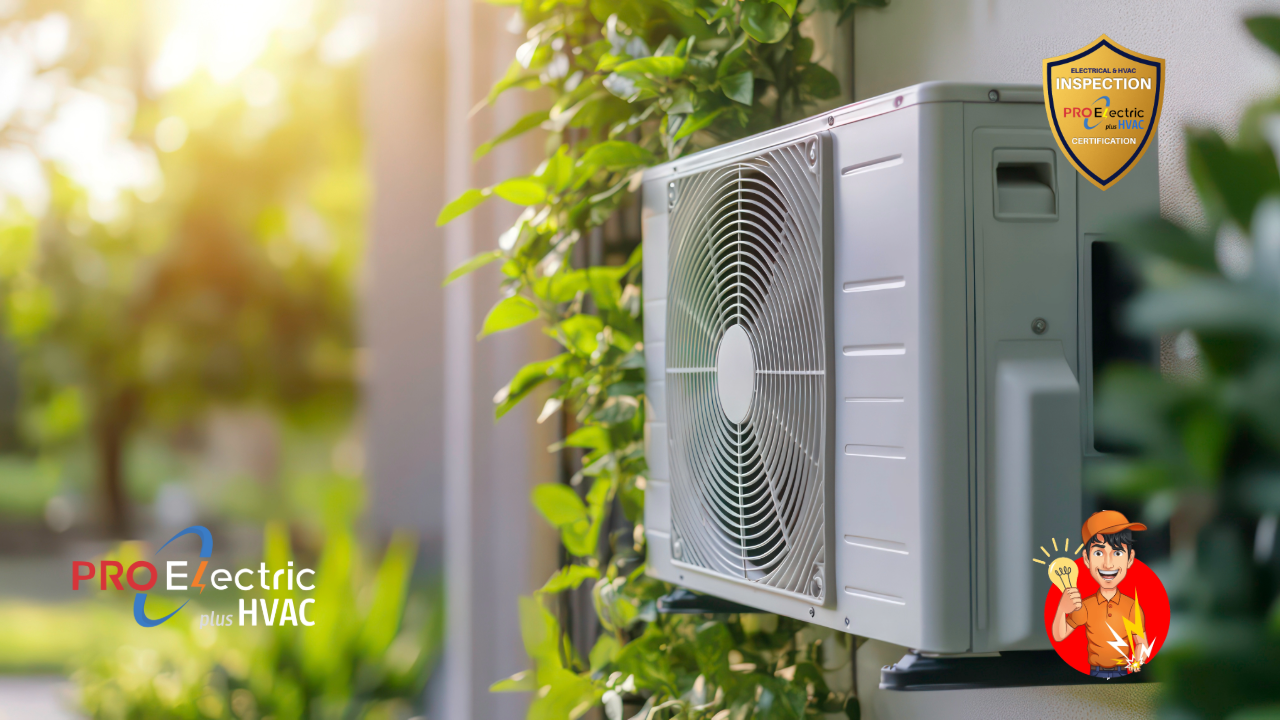
- No ducts needed. A ductless mini split mounts an indoor head on the garage wall and connects to a small outdoor unit, with no ductwork at all.
- It heats and cools. One mini split keeps the garage warm in winter and cool in summer, so the space works year round, not just in mild weather.
- Sized for the space. The unit is sized for the garage and its insulation level, so it actually keeps up rather than running constantly and losing.
- It controls humidity. A mini split dehumidifies as it cools, which helps protect tools, equipment, and stored items from the damp.
- Its own thermostat. The garage gets independent control, separate from the house, so you heat or cool it only when you are using it.
- Efficient and quiet. A mini split runs quietly and efficiently, so a converted garage does not wreck your electric bill the way space heaters would.
Insulate first, then size the mini split, and get the circuit right
Let me give you the two things that make a garage conversion succeed. First, insulation. A mini split works far better in a garage that has been insulated, including the door, because otherwise you are paying to condition a space that leaks heat as fast as you add it. Insulate the walls, ceiling, and door if you can, and the mini split will hold a comfortable temperature easily. Second, the electrical. A mini split needs its own dedicated circuit, and a garage being converted into a gym or workshop often needs more power anyway for equipment, tools, or an EV charger. Because we are Master Electricians and HVAC technicians under one roof, we size the mini split, run its dedicated circuit, and sort out any added garage electrical in one coordinated job, rather than leaving you to chase two trades.
Garage conversions we make comfortable
We see the same conversions again and again, and a mini split is the comfort piece in all of them: a home gym that needs to stay cool during workouts, a home office or studio that needs steady, quiet comfort for full work days, a workshop where you want to keep tools and yourself comfortable year round, a playroom or bonus hangout for the family, and sometimes a path toward a future in-law suite or living space. In every case the garage goes from a seasonal storage room to usable square footage. If your conversion adds heating with electric resistance instead, it is worth comparing against electric baseboard heat since a mini split usually costs far less to run.
How we help
We size and install a mini split for your garage and run its dedicated circuit, plus any added electrical the conversion needs, all under one roof. The result is a garage that is comfortable in summer and winter, so you can finally turn it into the gym, office, or workshop you have been picturing. We do this across Northern Virginia.
Frequently asked questions
Can I put a mini split in my garage?
Yes, a garage is one of the best places for a ductless mini split. Garages rarely have ductwork and are hard to heat and cool any other way, and a mini split solves that with an indoor head on the wall connected to a small outdoor unit, no ducts required. It heats and cools, so the garage works year round. Insulating the garage first, including the door, makes it perform much better.
Will a mini split keep my garage warm in winter and cool in summer?
Yes. A ductless mini split both heats and cools, so it handles a Northern Virginia garage in both seasons from one system. The key is sizing it for the garage and its insulation level, and ideally insulating the space first, including the door and walls, so the mini split is not fighting a constant leak of heat. Done that way, it holds a comfortable temperature efficiently year round.
Do I need to insulate my garage before adding a mini split?
It is strongly recommended. A mini split works in an uninsulated garage but has to run much harder, because heat escapes quickly through bare walls, the ceiling, and especially the door. Insulating those surfaces first lets the mini split hold a comfortable temperature easily and efficiently. For a garage you plan to use as a gym, office, or workshop, insulation plus a properly sized mini split is the combination that works.
Does a garage mini split need special wiring?
Yes. A mini split runs on its own dedicated circuit from your electrical panel, often 240 volt depending on the unit. A garage conversion frequently needs additional power too, for gym or workshop equipment, tools, or an EV charger. Because we are licensed Master Electricians and HVAC technicians, we install the mini split and run its circuit, and handle any added garage electrical, as one coordinated job.
Is a mini split better than a space heater for my garage?
For a garage you actually use, yes. Fuel burning space heaters raise safety concerns in an enclosed garage, and electric space heaters are expensive to run and often too weak for the space. A mini split heats and cools efficiently, runs quietly, controls humidity, and gives you steady comfort year round rather than a hot spot in front of a heater. It is the difference between a usable room and a seasonal one.
Can a mini split help protect my tools and equipment in the garage?
Yes. Beyond heating and cooling, a mini split dehumidifies as it cools, which reduces the damp that leads to rust on tools and equipment and musty conditions on stored items. A garage that stays at a steadier temperature and lower humidity is a better environment for tools, gear, and anything you keep out there, in addition to being comfortable for you.
Want to use your garage year round in Northern Virginia?
We make it comfortable and handle the electrical too.