
An outlet that only works when a wall switch is on is usually a switched outlet, wired that way on purpose. Here is how to tell and what to do.
An outlet that only works when a wall switch is on is usually a switched outlet, wired that way on purpose. Here is how to tell and what to do.
Some electrical jobs are fine to do yourself and some are not. Here is an honest guide to what is safe to DIY and when to call an electrician.
An AFCI breaker that keeps tripping is usually catching a real arc fault or reacting to a wiring quirk. Here is what causes it and how to fix it.
Relying on power strips and extension cords usually means too few outlets. Here is how outlets get added safely and why it is not just a quick splice.
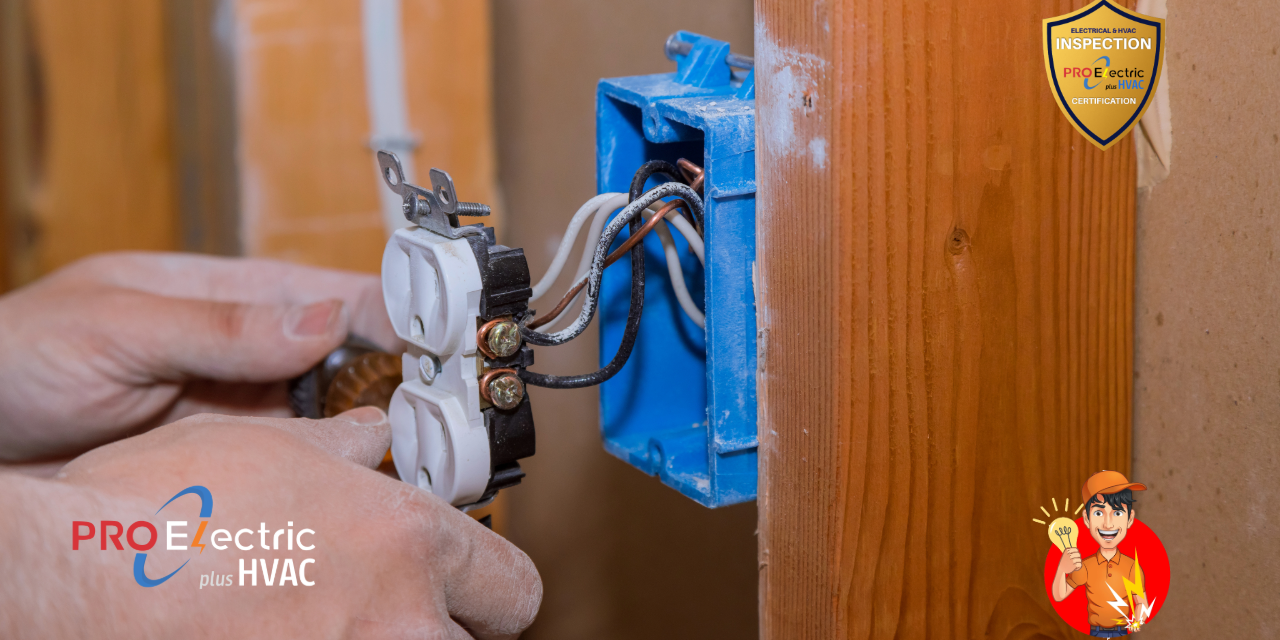
GFCI and AFCI protection do two different jobs. Here is what each one guards against, where code requires them, and why your home may need both.
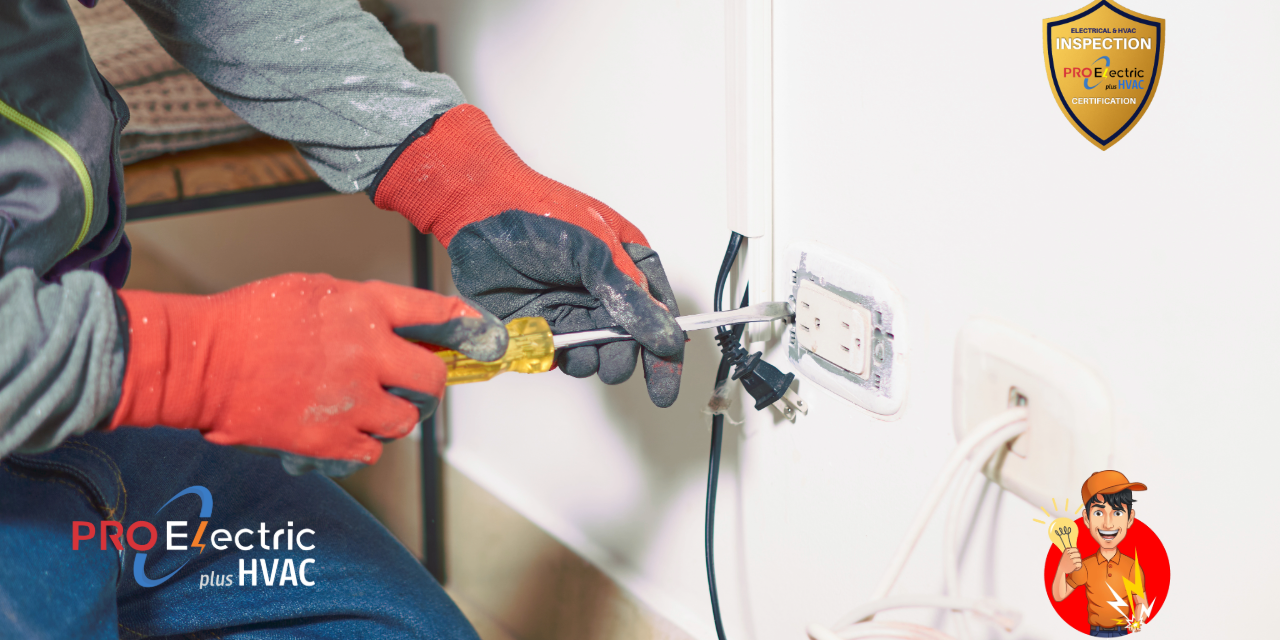
A GFCI that will not reset is usually doing its job, not failing. Here is what trips it, what you can safely try, and when it needs an electrician.
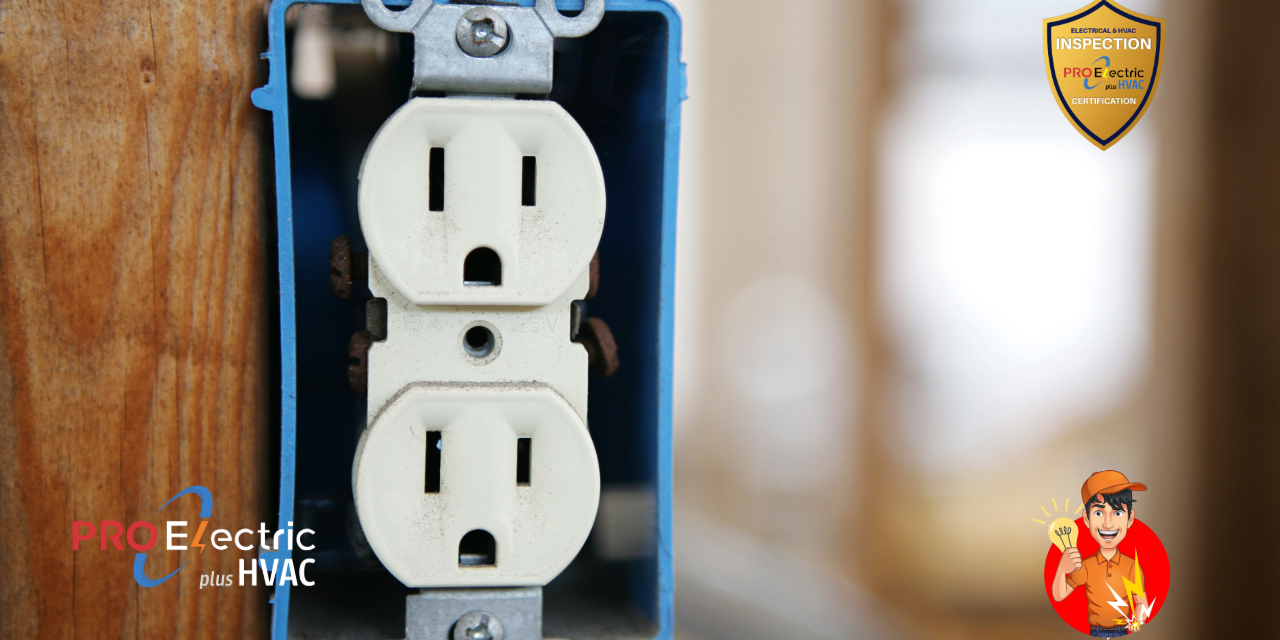
Two-prong outlets mean ungrounded wiring, and a three prong adapter does not make them safe. Here is what ungrounded outlets mean and the right fix.
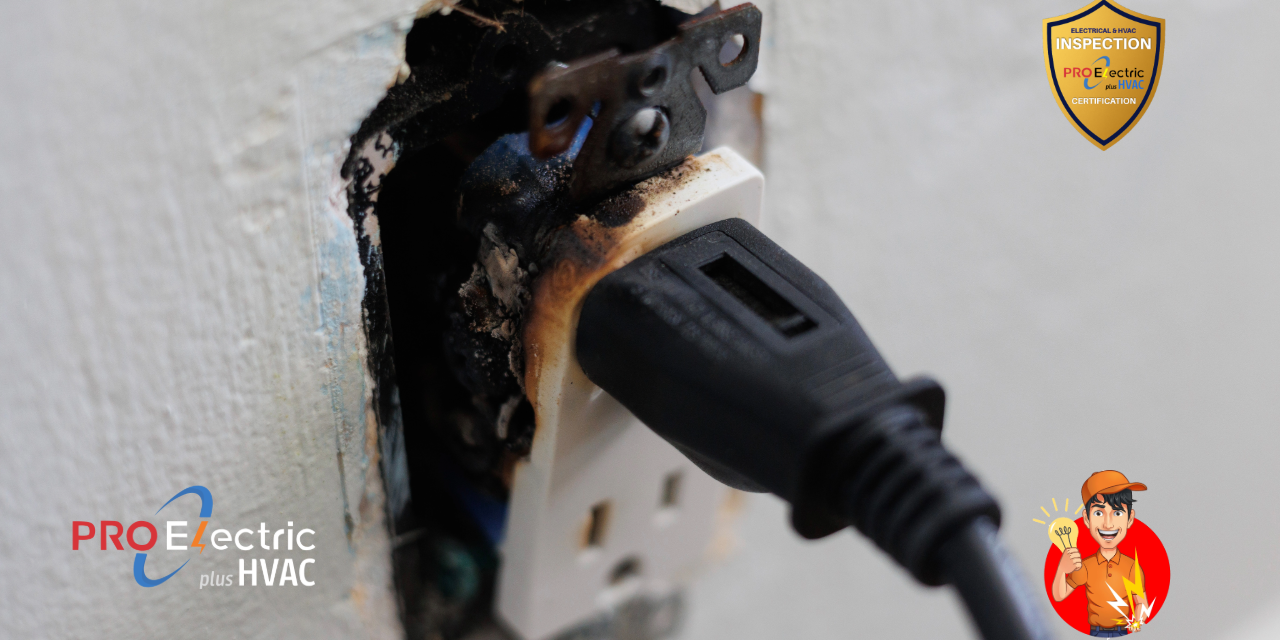
A GFCI that keeps tripping is usually doing its job, catching moisture or a fault. Here is what trips it and how to find the cause.
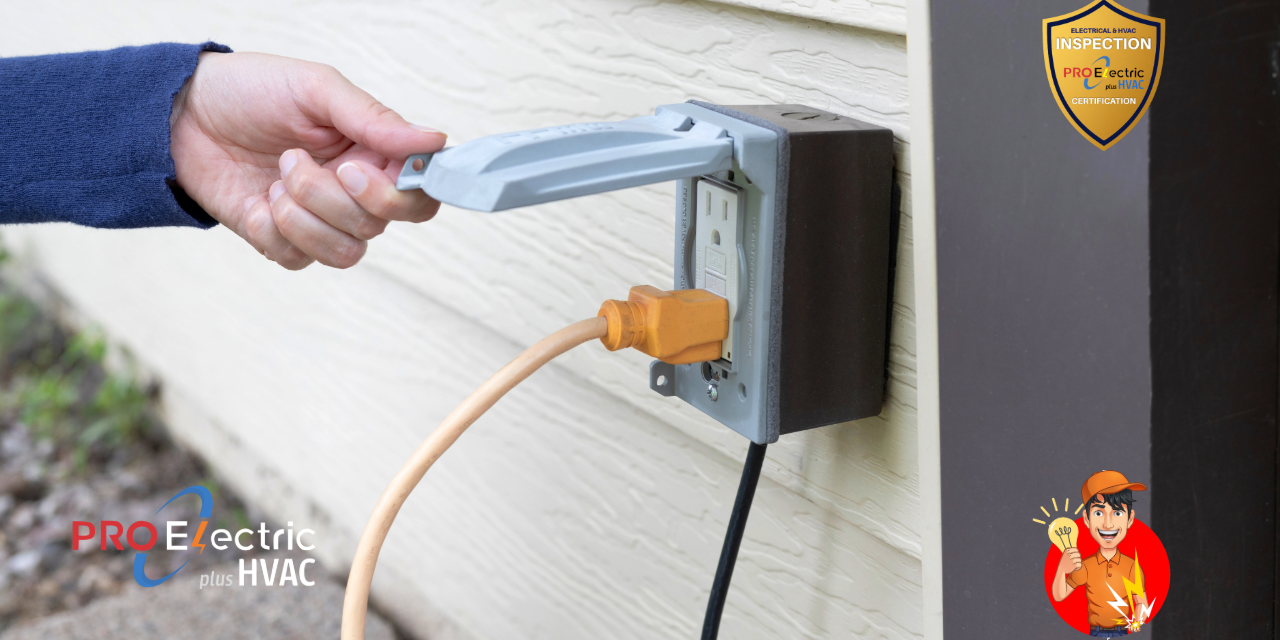
A dead outdoor outlet is usually a tripped GFCI, not a big repair. Here is what to check first and why exterior outlets fail more than indoor ones.
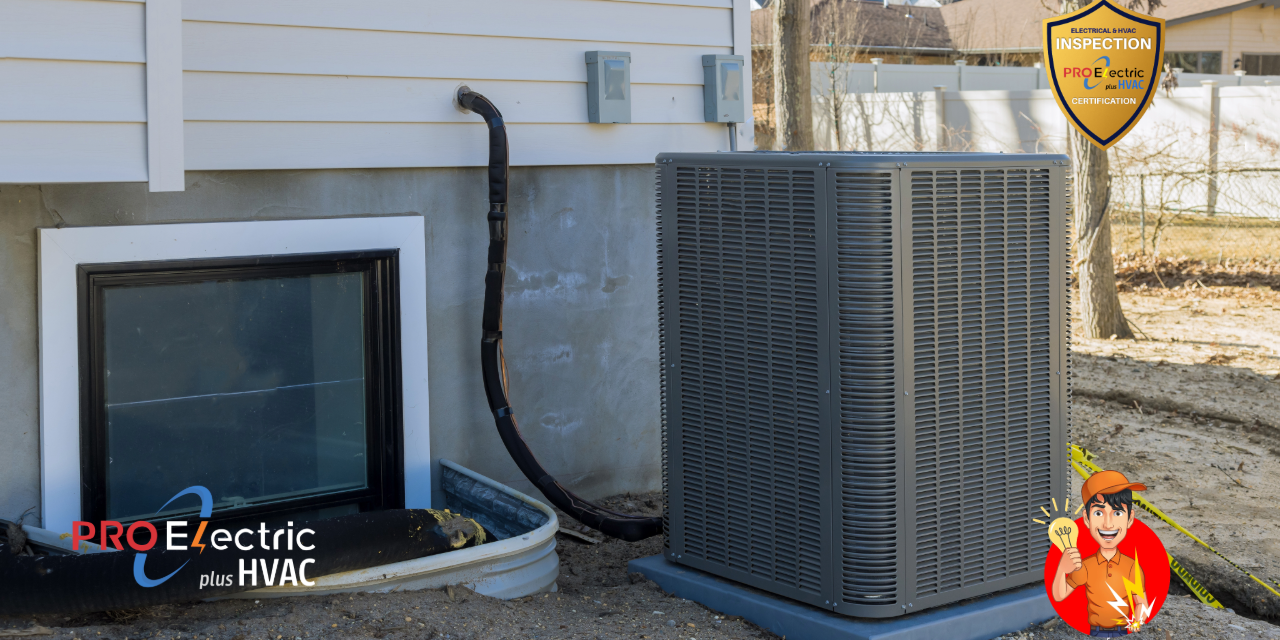
Water around your indoor AC unit is a warning, not a quirk. Here is what causes an AC to leak water, what to do now, and how to stop the damage.