
HVAC and Electrical Experts
Written by Peter
Master Electrician at PRO Electric plus HVAC, serving Fairfax, Loudoun, Arlington, and Prince William Counties. Virginia License #2705181607.
Yes, a Mini Split Heats Your Home in Winter, and Does It Efficiently.
Mini split heating and cooling installation across Fairfax, Loudoun, Arlington, and Prince William Counties.
Hi, I am Peter, the Master Electrician at PRO Electric plus HVAC. One of the most common worries I hear about mini splits is whether they actually heat in winter. People know a mini split cools, but the idea that the same unit keeps a room warm when it is freezing outside makes them skeptical. It is a fair question, and the answer is yes: a modern mini split heats your home through a Northern Virginia winter, and it does it efficiently.
A mini split is a heat pump. Rather than burning fuel or running an electric coil, it moves heat from the outdoor air into your home, and there is usable heat in the air even when it is cold out. Older heat pumps struggled in real cold, which is where the skepticism comes from, but modern inverter driven and cold climate models have changed that. They keep heating well below freezing, which covers our winters comfortably. Let me explain how it works and what to know so your mini split heats well all season.
Here is how a mini split heats in winter, what to know for cold weather performance, and why it beats electric resistance heat on efficiency.
How a mini split heats in winter
- It is a heat pump. A mini split heats and cools by moving heat, not making it, drawing warmth from the outdoor air and delivering it inside.
- There is heat in cold air. Even on a cold day there is heat energy in the outside air for the system to capture, which is why a heat pump keeps working when it is freezing.
- Modern models run in real cold. Today’s inverter and cold climate mini splits are rated to keep heating well below freezing, far past where older heat pumps gave up.
- Variable speed ramps up. An inverter compressor speeds up to pull more heat when it is cold and eases off when it is mild, holding a steady indoor temperature.
- It is very efficient at it. Because it moves heat instead of generating it, a mini split delivers several units of heat per unit of electricity, far more than a resistance heater.
What to know for cold weather performance
- Choose a cold climate model for heavy heating. If you plan to lean on the mini split for heat, a cold climate rated model holds its capacity to much lower temperatures.
- Size for the heating load, not just cooling. A unit sized only for summer can fall short in winter, so we size for both, especially when heating is a priority.
- Capacity eases at the extremes. On the rare deep cold snap, output tapers, so for whole home heating it is wise to have the system sized with that in mind or a secondary heat source for the coldest days.
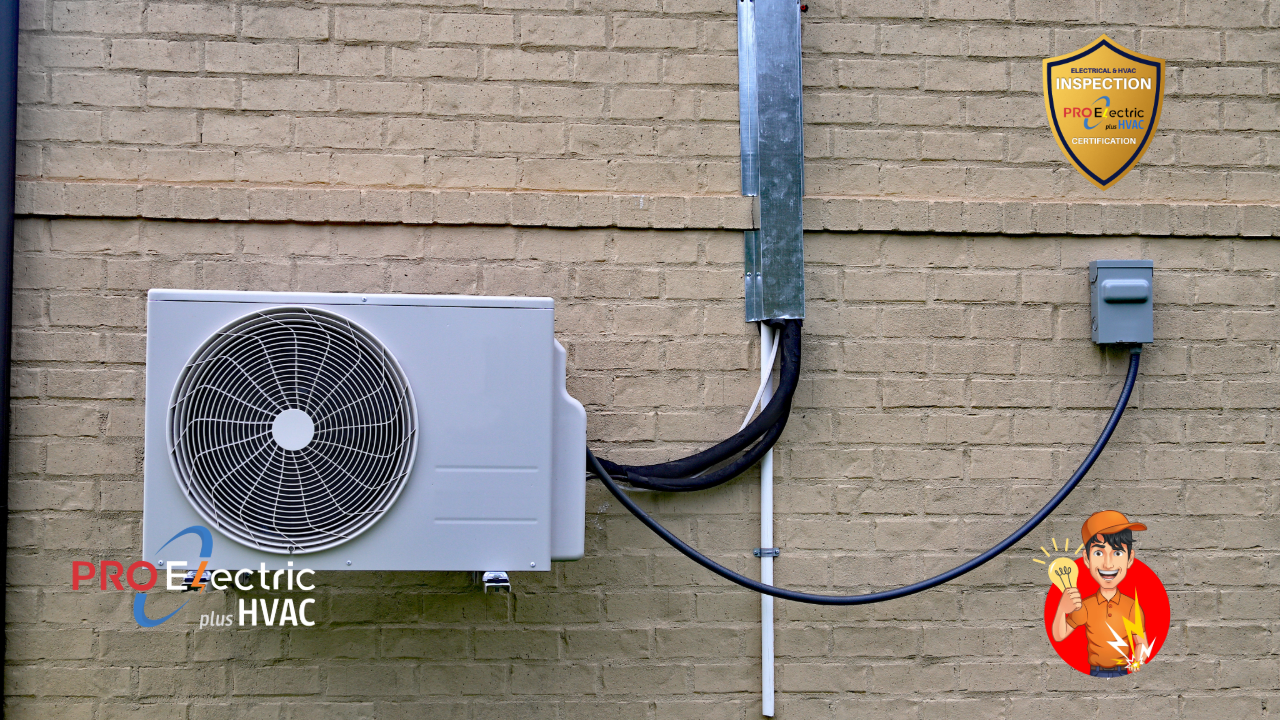
- Keep the outdoor unit clear. Snow, ice, and leaves around the outdoor unit hurt performance, so keep it clear and slightly elevated.
- Defrost cycles are normal. In cold, damp weather the unit briefly runs a defrost cycle to clear frost from the outdoor coil, which is normal and expected, not a fault.
For Northern Virginia winters, a properly chosen mini split heats efficiently all season
Let me put the cold weather worry to rest for our area specifically. Northern Virginia winters are cold but not extreme, and a properly selected mini split, especially a cold climate model, heats comfortably and efficiently right through them. The key is choosing the right unit and sizing it for the heating load, not just the cooling load, which is exactly what we do. For homeowners who want the mini split to carry most or all of the heating, we plan for the handful of truly frigid days, whether by sizing the system for it or pairing it with a backup. Done that way, you get a system that cools all summer and heats all winter from one efficient unit, instead of running expensive resistance heat. It is one of the strongest reasons to go ductless.
Far more efficient than electric resistance heat
The efficiency gap is the part worth dwelling on. Electric baseboard and space heaters turn electricity straight into heat at a one to one ratio, which is why they are so expensive to run. A mini split moves several units of heat for every unit of electricity, so it delivers the same warmth for a fraction of the running cost, which shows up as a lower electric bill. For a home with no ducts or one relying on costly electric heat, switching the heating load to a mini split is one of the better efficiency upgrades available. Our broader case for ductless is in the guide on why install a ductless mini split.
Frequently asked questions
Do mini splits really work in cold weather?
Yes. A mini split is a heat pump, and modern inverter and cold climate models keep heating well below freezing, far past where older heat pumps struggled. There is usable heat energy in outdoor air even when it is cold, and the system moves that heat indoors. For Northern Virginia winters, a properly chosen and sized mini split heats comfortably and efficiently all season, which is why it works as a year round heating and cooling system.
How does a mini split heat a room when it is freezing outside?
It moves heat rather than making it. Even in freezing air there is heat energy, and a heat pump captures that warmth from the outdoor air and delivers it inside, with the refrigerant cycle doing the work. A variable speed compressor ramps up in the cold to pull more heat. This is fundamentally different from a furnace or electric heater that generates heat, and it is why a mini split can warm your home efficiently in winter.
Will a mini split heat my whole house in winter?
It can, with the right design. A multi zone mini split, sized for the heating load and using cold climate rated equipment, can heat a whole house through a Northern Virginia winter. For the rare deep cold days, output eases, so whole home heating is planned either by sizing for it or by keeping a secondary heat source for the coldest snaps. We size for heating, not just cooling, when heat is a priority, so the system keeps up.
Are mini splits cheaper to run than electric baseboard heat?
Yes, considerably. Electric baseboard and space heaters convert electricity directly to heat at a one to one ratio, which makes them costly. A mini split moves several units of heat per unit of electricity, so it produces the same warmth for a fraction of the running cost. For a home relying on electric resistance heat, shifting the heating to a mini split is one of the most effective ways to lower the winter electric bill.
Why does my mini split outdoor unit have ice on it sometimes?
Some frost on the outdoor unit in cold, damp weather is normal. The unit periodically runs a short defrost cycle to melt that frost off the outdoor coil, then returns to heating. This is expected behavior, not a malfunction. What you should avoid is letting snow, ice, or debris pile up around the unit, so keep it clear and slightly elevated. If you ever see heavy, persistent ice buildup, that is worth a service call.
Do I need a special mini split for cold weather?
If you plan to rely on the mini split for significant heating, a cold climate rated model is worth it, because it holds more of its heating capacity at low temperatures. A standard model still heats in mild cold, but a cold climate unit is the better choice for our winters when heating matters. We recommend the right model for how you intend to use the system and size it for the heating load so it performs when you need it most.
Want efficient winter heat in Northern Virginia?
We size and install mini splits that heat all season.