
Certified Master Electricians
Written by Peter
Master Electrician at PRO Electric plus HVAC, serving Fairfax, Loudoun, Arlington, and Prince William Counties. Virginia License #2705181607.
Out of Breaker Space? A Subpanel Is Often the Answer.
Subpanel installation for garages, additions, and workshops across Fairfax, Loudoun, Arlington, and Prince William Counties.
Hi, I am Peter, the Master Electrician at PRO Electric plus HVAC. A subpanel is one of those things most homeowners never think about until they need one, and then it solves a problem that seemed impossible a moment earlier. You want to wire a workshop, finish a basement, power a detached garage, or add a string of new circuits, and the main panel is out of room. A subpanel is how you add capacity and organization without tearing the whole electrical service apart.
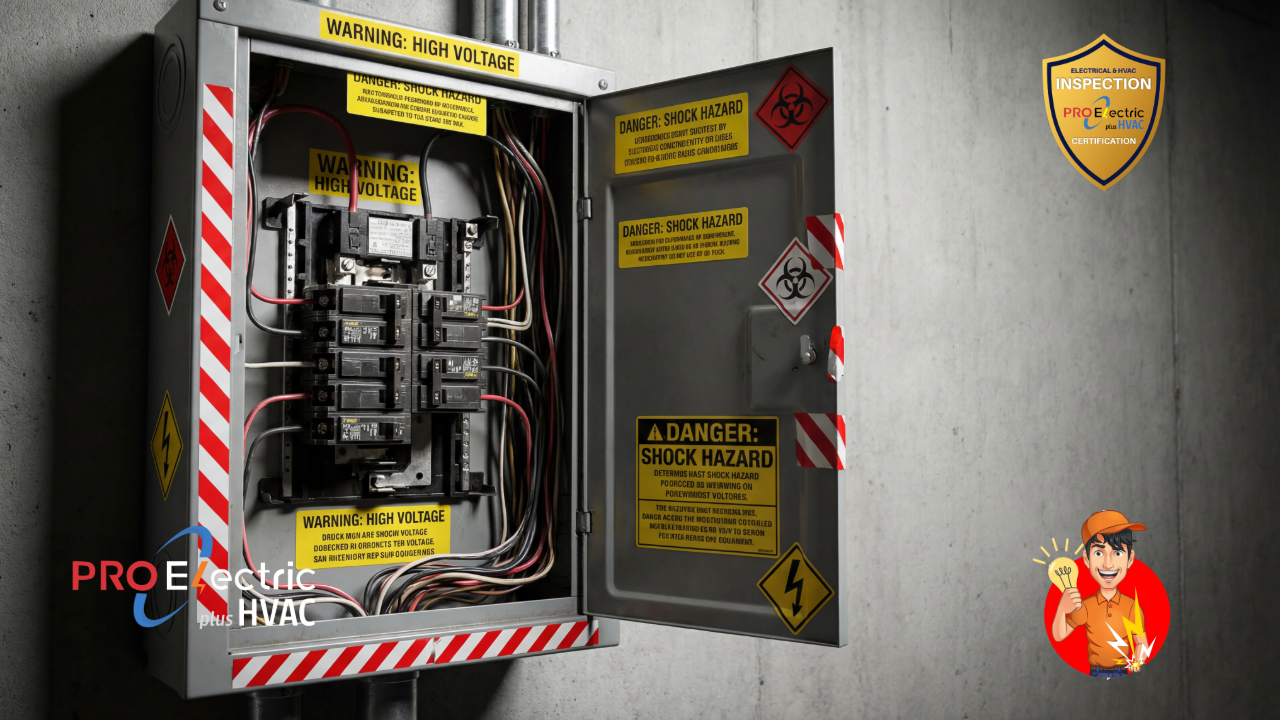
A subpanel is exactly what it sounds like, a smaller panel fed from your main panel that gives you a fresh bank of breaker slots, usually closer to where the new circuits are needed. Instead of running a dozen long circuits all the way back to a crowded main panel, you run one properly sized feeder out to the subpanel and branch off from there. It is cleaner, it is often less expensive, and in a detached structure it is frequently the only correct way to do it.
Let me walk through when a subpanel is the right move, what installing one involves, and why the feeder sizing and grounding are the parts that have to be done by someone who knows the code.
When a subpanel is the right solution
- Your main panel is full. When the main panel is out of slots, a subpanel adds room for new circuits, often a better path than cramming in tandem breakers. It is the natural next step when your panel is full and you need more circuits.
- You are powering a detached garage or shed. A detached structure almost always gets its own subpanel fed from the house, so its lights, outlets, and equipment live on one organized panel.
- You are finishing a basement or adding a room. A subpanel near the new space keeps the addition or finished basement wiring short, organized, and easy to service.
- You are building a workshop. Workshops draw heavily, and a subpanel gives the tools, dust collection, and 240 volt equipment their own breakers close at hand.
- You are adding an ADU or in-law unit. A separate living space is typically served by its own subpanel, part of wiring an ADU or in-law suite.
- You want organization, not just capacity. Sometimes a subpanel is simply the cleanest way to group a set of new circuits in one logical place.
What a subpanel installation involves
- A load check first. We confirm the main service can carry the new load before adding a subpanel. If the whole home is already near capacity, the answer may be a service upgrade instead.
- A properly sized feeder. The cable feeding the subpanel has to be sized to its load and breaker, with the correct wire and a breaker in the main panel that protects it.
- Correct grounding and bonding. A subpanel uses separated neutrals and grounds, and a detached structure has its own grounding requirement. Getting this wrong is a common and dangerous DIY mistake.
- The right panel in the right place. We mount a subpanel with enough slots for now and some growth, located where the new circuits need it.
- New branch circuits. We land the circuits the project needs off the subpanel, with the proper breakers and protection.
- Permit and inspection. We pull the permit and pass the inspection, so the feeder, grounding, and circuits are all documented and code compliant.
The feeder and the grounding are where DIY subpanels go wrong
Let me be straight about why a subpanel is not a weekend project. The two things that most often get done wrong, an undersized feeder and improper grounding, are also the two things that make a subpanel dangerous. An undersized feeder can overheat under load without tripping. Improper grounding, especially the classic mistake of bonding the neutrals and grounds together in a subpanel the way you would in a main panel, defeats the safety system and can put voltage where it does not belong. A detached garage or shed adds its own grounding electrode requirement on top of that. A licensed electrician sizes the feeder to the load, separates the neutrals and grounds correctly, handles the grounding electrode, and gets it inspected. This is exactly the kind of work where the code rules are written in response to fires and shocks, and where doing it right is not optional.
Subpanel or service upgrade, which do you need?
This is the question I get most, and the honest answer is that it depends on your home’s total demand. A subpanel adds breaker space and distributes circuits, but it does not add capacity to your overall electrical service. If your main panel is full but the home’s total load still has headroom, a subpanel is often the efficient fix. If the home is genuinely maxed out, adding a subpanel just moves the bottleneck, and the real answer is a service upgrade. We start every one of these jobs with a load calculation so we recommend the one that actually solves your problem rather than the one that is easiest to sell.
How we help
We assess your main service, tell you honestly whether a subpanel or a service upgrade is the right call, then size the feeder, install the subpanel with correct grounding and bonding, land your new circuits, and handle the permit and inspection. We install subpanels for garages, workshops, basements, additions, and ADUs across Northern Virginia.
Frequently asked questions
What is a subpanel and how is it different from my main panel?
A subpanel is a smaller electrical panel fed from your main panel that provides additional breaker slots, usually located closer to where new circuits are needed. The main panel connects to your utility service and is the home’s central distribution point. A subpanel branches off it to add capacity and organization, which is useful for a garage, workshop, addition, or ADU.
When do I need a subpanel instead of just adding breakers?
When the main panel is out of slots, when you are powering a detached structure like a garage or shed, or when you are adding a cluster of new circuits for a basement, workshop, or addition. A subpanel keeps those circuits organized and close to where they are used, rather than running many long circuits back to a crowded main panel.
Will a subpanel give my house more electrical capacity?
No, and this is an important distinction. A subpanel adds breaker space and distributes circuits, but it does not increase your home’s total service capacity. If the main panel is full but the home still has load headroom, a subpanel works well. If the home is genuinely at capacity, the right answer is a service upgrade. A load calculation determines which you need.
Does a detached garage need its own subpanel?
In most cases, yes. A detached garage or shed is typically served by a subpanel fed from the house, which gives its lights, outlets, and equipment their own organized panel. A detached structure also has its own grounding requirement, which is one of the reasons this work needs a licensed electrician rather than a DIY approach.
Why is subpanel grounding so important?
Because a subpanel handles neutrals and grounds differently than a main panel. In a subpanel the neutrals and grounds must be kept separate, not bonded together the way they are in the main panel, and a detached structure needs its own grounding electrode. Getting this wrong defeats the safety system and can energize metal parts. It is one of the most common and dangerous DIY mistakes.
Do I need a permit to install a subpanel?
Yes. Installing a subpanel requires a permit and inspection in our counties, because it involves a new feeder, grounding and bonding, and added circuits that all have to meet code. A licensed electrician sizes the feeder correctly, installs the grounding properly, pulls the permit, and passes the inspection so the work is safe and documented.
Need more breaker space in Northern Virginia?
Subpanels for garages, workshops, basements, and additions.