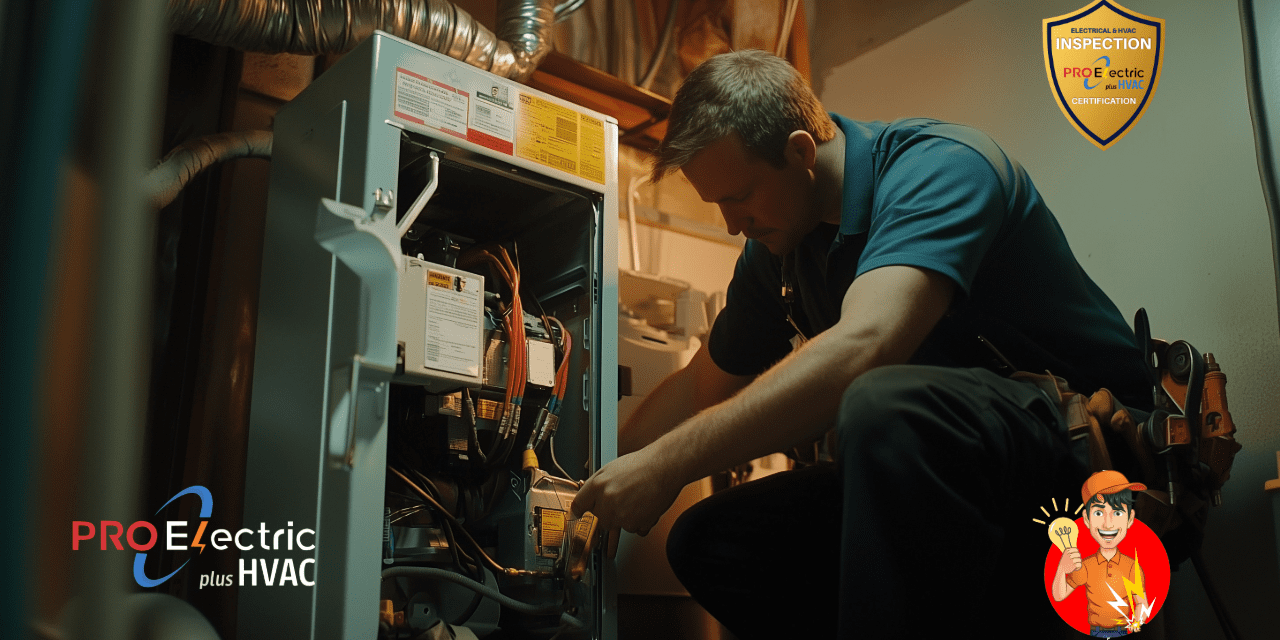
Furnace running but blowing cold air? Here is what to check first, the common causes of no heat, and when to stop and call a technician.
Furnace running but blowing cold air? Here is what to check first, the common causes of no heat, and when to stop and call a technician.
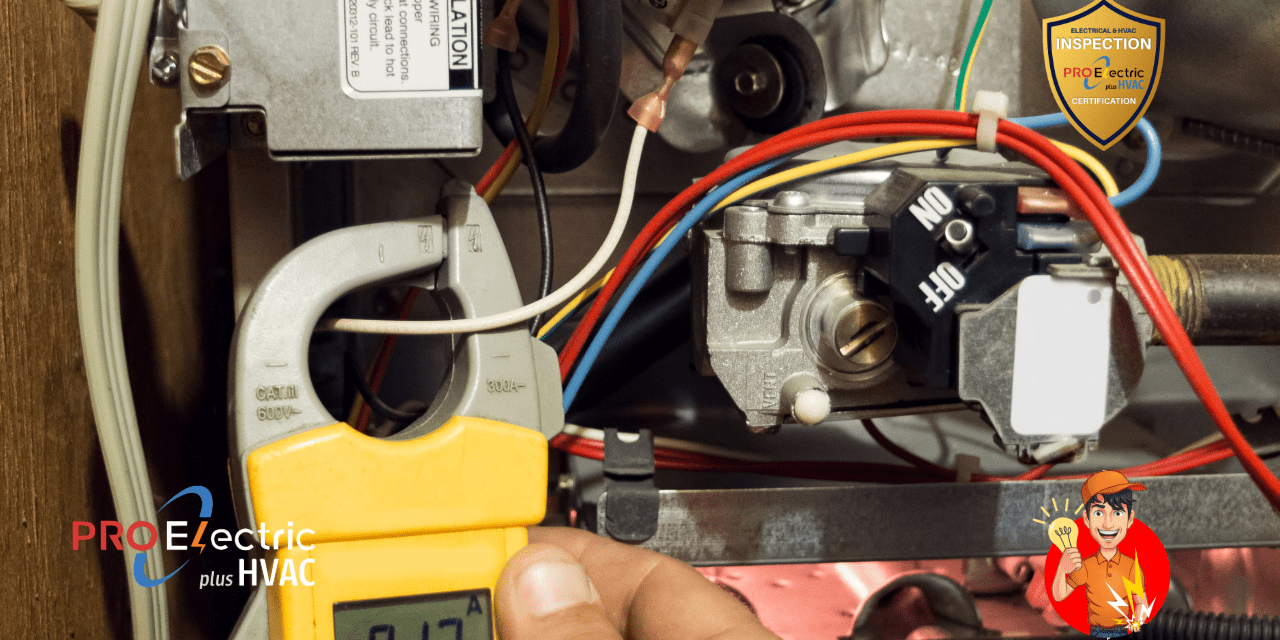
A furnace that turns on and off every few minutes is short cycling. Here is what causes it, why it wears the system out, and what to check first.
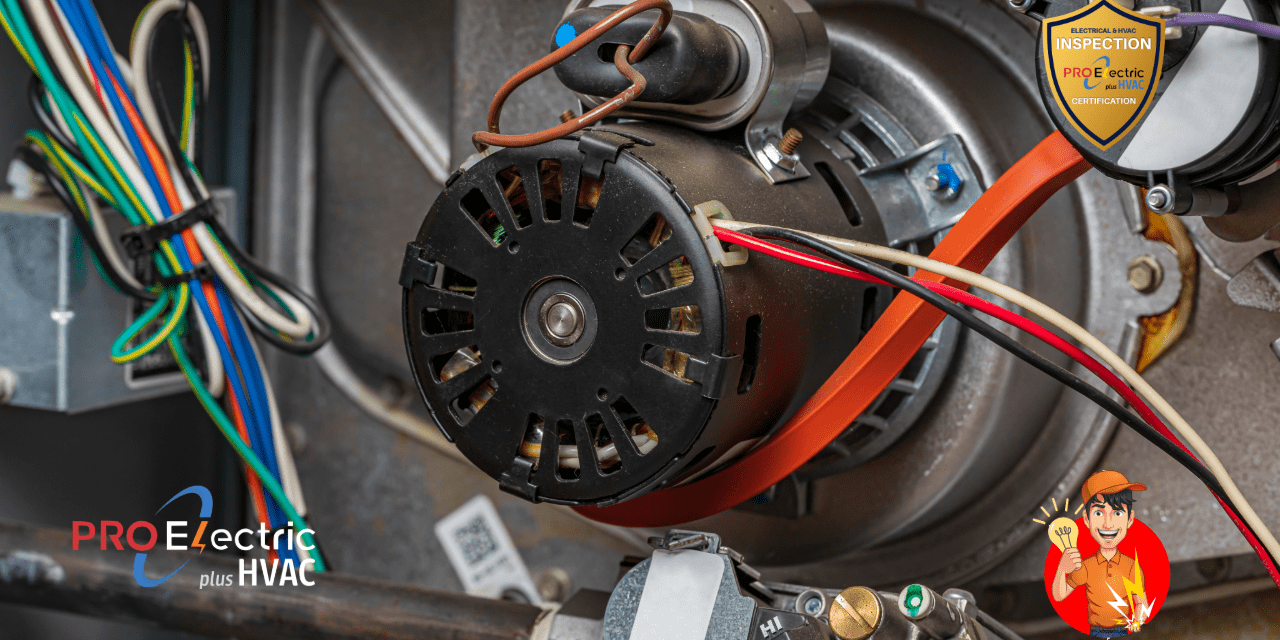
Aux heat and emergency heat on a heat pump are not the same thing. Here is what each does, when to use emergency heat, and why your bill jumps when they run.
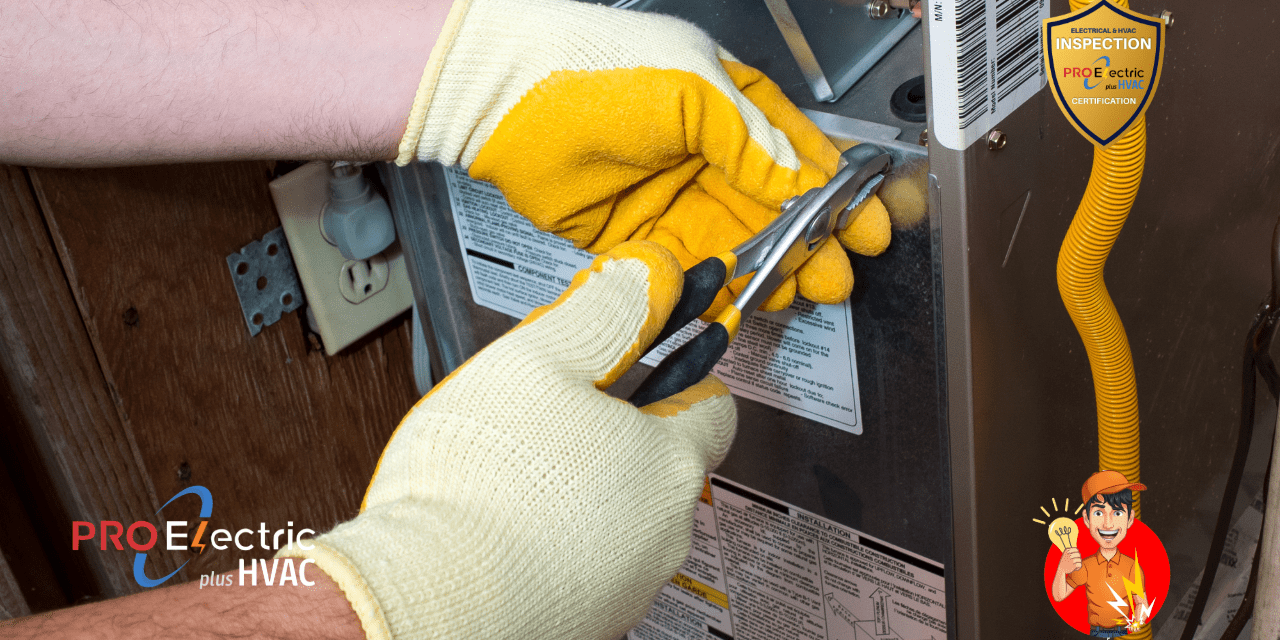
When a furnace will not turn on, the cause ranges from a simple switch or thermostat to ignition and safety parts. Here is what to check and when to call.
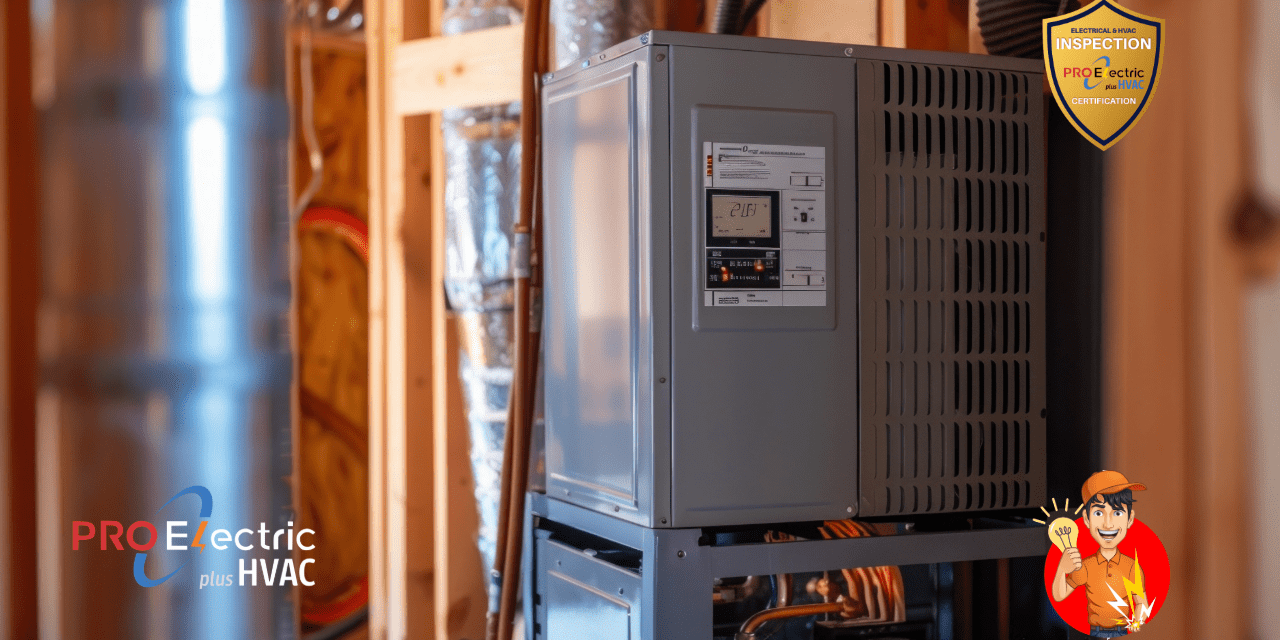
Bigger is not better with HVAC. Here is why correct sizing matters and how a professional figures out the right size for your home.
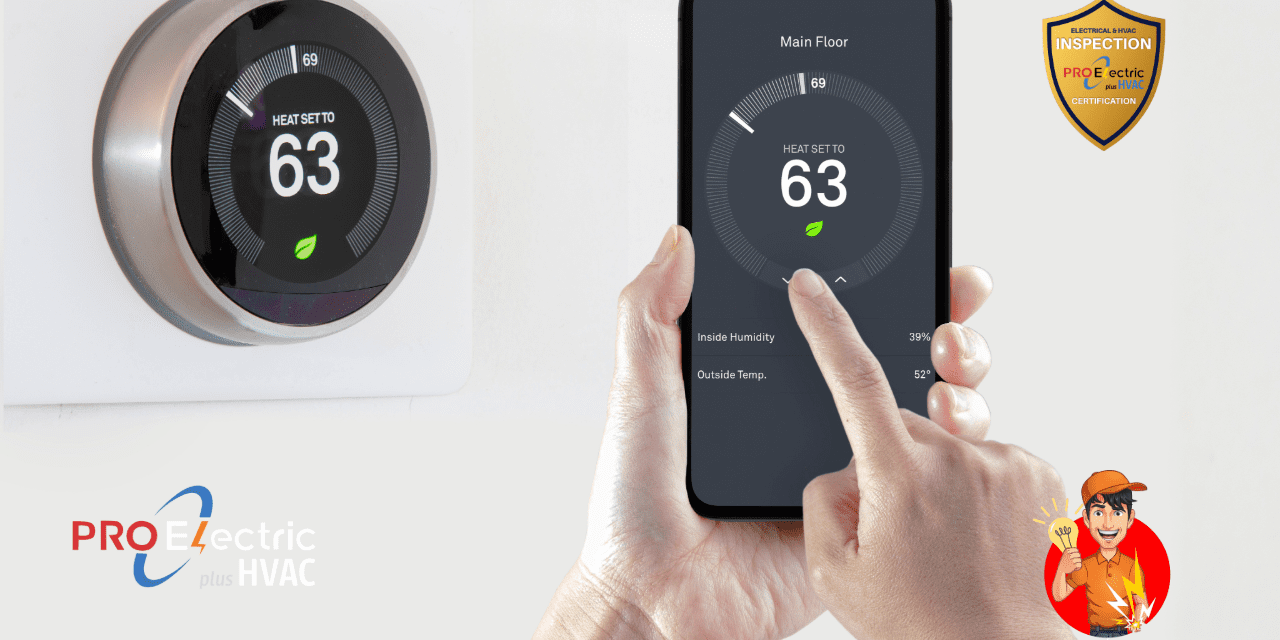
A blank or dead thermostat is usually a power problem, not a broken system. Here is what to check first and when it points to a bigger issue.
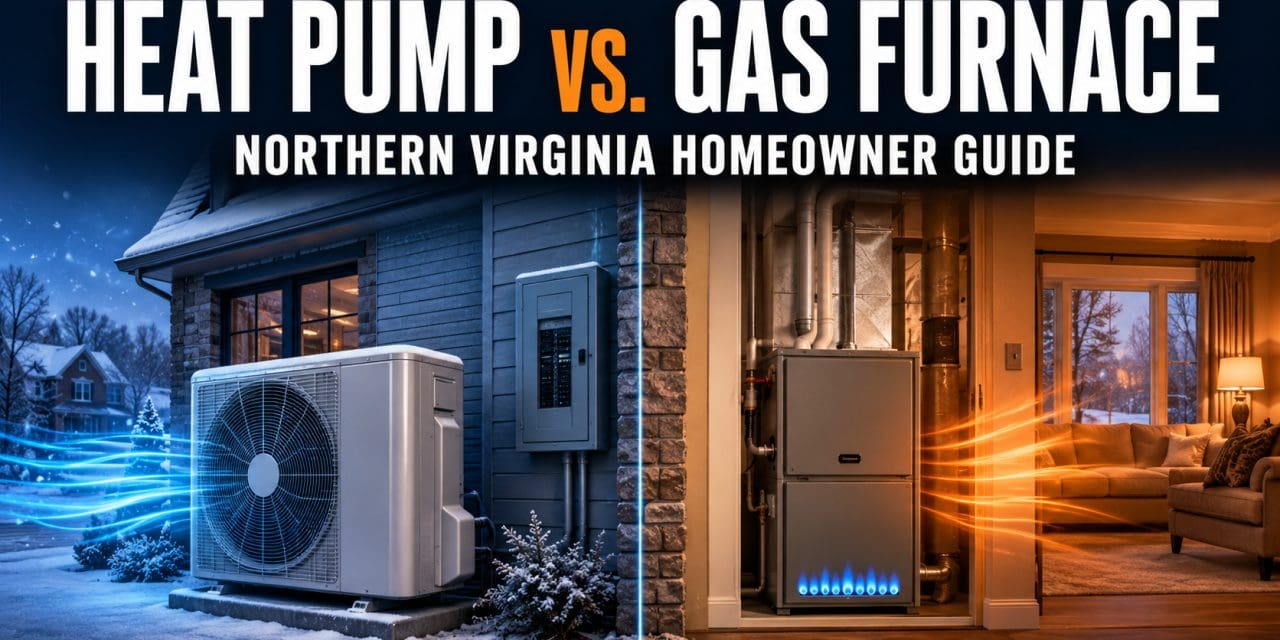
Heat pump or furnace for your Northern Virginia home? Here is how the two compare on comfort, efficiency, and cost so you can pick the right heating system.
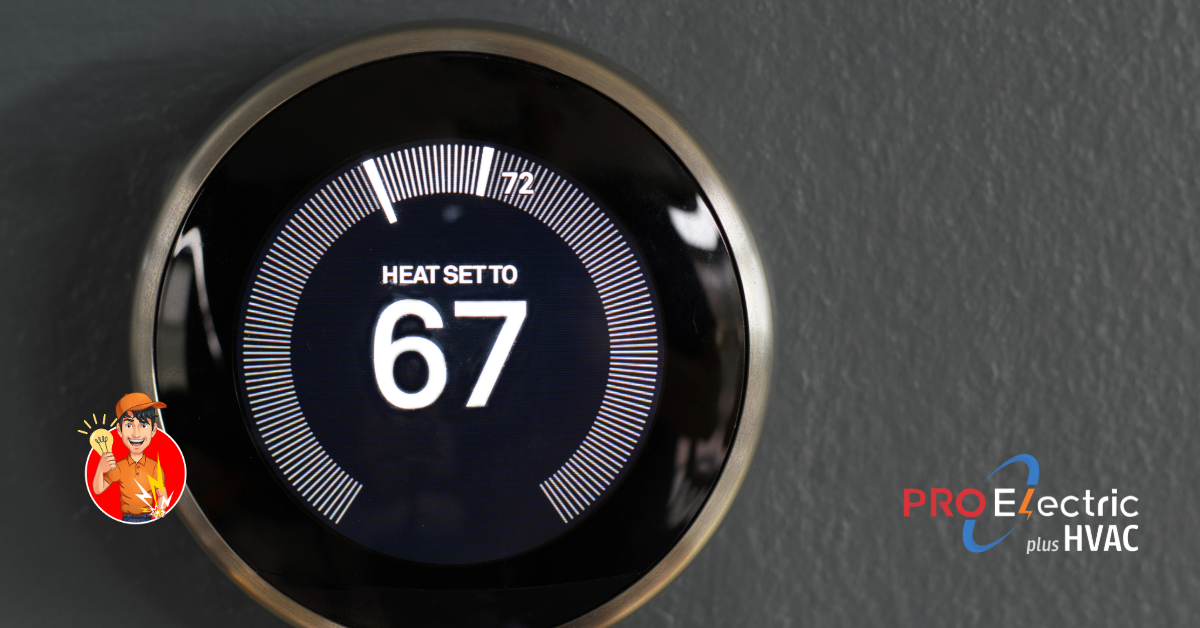
As a longtime homeowner in Northern Virginia, I’ve learned that our ever‑changing seasons can push heat pumps and furnaces to their limits. In this guide, I share personal insights on why heat pumps may run nonstop in cold weather, how to spot early signs of problems like icing or water leaks, and what to do when a furnace won’t start or keeps tripping safety controls. You’ll learn when a repair might be a quick fix versus a sign that replacement makes more sense, how long typical repairs take, and how to weigh age, repair costs and efficiency when deciding to upgrade. I also outline practical preventive care—like regular filter changes, professional tune‑ups, and simple home habits—to keep your HVAC system running safely and efficiently. Whether you’re in Fairfax, Loudoun, Prince William or Arlington County, this excerpt offers an owner’s perspective on keeping your heat pump or furnace healthy and understanding when it’s time to call in a pro.

Herndon heat pumps run year-round. Fan and blower inspections keep airflow strong, protect motors, and help your system last longer. Peter from PRO Electric plus HVAC explains what to check and when to call.

Is your furnace leaving you cold? Knowing the top reasons furnaces fail will help you diagnose issues and determine when to call in the pros. From thermostat breakdowns to blocked filters, the following are the top 50 issues that may have stopped your furnace working.
PRO ELECTRIC plus HVAC
Find a tool. Plan a project. Get the right help.
Useful starting points for your next repair or project.
Switch example loads on and off to see how demand adds up.
SimulatorExplore household loads before discussing a breaker or panel concern.
GuideOrganize the outage details that help identify the right next call.
SimulatorCompare illustrated power events with and without a panel surge protector.
GuideChoose an observed warning sign for immediate next-step guidance.
PlannerAnswer four questions to prepare for a service-disconnect conversation.
PlannerBuild a useful brief for a renovation, addition, or wiring concern.
PlannerChoose your situation and concerns to prepare an inspection brief.
PlannerTurn a report or notice into questions and records for your electrician.
ChecklistCollect known alarm concerns into a service-request brief.
PlannerDescribe a device problem or upgrade and prepare a clear service request.
ServiceExplore electrical installation for a hot tub or spa.
ServiceRequest a professional review of your home’s electrical system.
ServiceExplore the electrical work for a home infrared sauna.
CalculatorCompare the time needed to replace a typical day’s driving.
SimulatorSee how an example EV charger changes simultaneous household demand.
PlannerSelect essential loads and an outage length to explore an energy target.
ServiceExplore standby generator options and installation for your home.
PlannerChoose your lighting goal and build a brief for your estimate.
ExplorerTry warm or cool light and switch between ambient, task, and accent layers.
PlannerSelect outdoor areas and controls to build a lighting brief.
FinderMatch an outdoor area and project goal to a useful planning brief.
ExplorerTry lighting layers for paths, steps, patios, and garden details.
CalculatorCompare electricity use and running cost for a group of lights.
PlannerChoose connected-home goals, a platform, and your project stage.
PlannerCompare the support, ceiling, and location details for your fan project.
FinderChoose your cooling goal and prepare for the next conversation.
GuideCollect observed symptoms and a short note for your service call.
ChecklistReview changes you have noticed and prepare a service conversation.
PlannerDescribe your space, ductwork, and priorities for an installation estimate.
PlannerBring system age, performance, and project goals into one planning brief.
GuideUse current observations to discuss a tune-up or another service visit.
GuideOrganize cooling-breakdown symptoms before you call for help.
PlannerTurn room-by-room comfort needs into a clear installation brief.
FinderChoose a heating goal and your equipment to organize the next step.
GuideDescribe what your heating system is doing and prepare a service note.
PlannerReview your equipment and service history, then plan a reminder.
PlannerPrepare questions about equipment, ducts, and comfort priorities.
CalculatorCompare quoted upfront amounts and annual energy costs over your chosen period.
PlannerExplore a heat-pump project using your goals and current equipment.
PlannerReview service history and set a personal reminder to arrange heating care.
ServiceReview what is involved in replacing your heating and cooling system.
PlannerMap home, away, and sleeping times for a thermostat planning note.
PlannerOrganize your equipment details and indoor-air goals for a service conversation.
PlannerCombine a humidity reading and window observations into a useful service note.
Try a shorter phrase such as “no heat,” “EV charger,” or “outlet.”
Ask our team for help