
HVAC and Electrical Experts
Written by Peter
Master Electrician at PRO Electric plus HVAC, serving Fairfax, Loudoun, Arlington, and Prince William Counties. Virginia License #2705181607.
The Best of Both: A Heat Pump for Most Days, Gas for the Coldest.
Dual fuel and hybrid heat systems across Fairfax, Loudoun, Arlington, and Prince William Counties.
Hi, I am Peter, the Master Electrician at PRO Electric plus HVAC. One of the smartest heating setups for our Northern Virginia climate is one a lot of homeowners have never heard of: a dual fuel system, also called hybrid heat. The idea is simple and clever. You pair a heat pump with a gas furnace and let each one do the job it is best at, the heat pump for the mild and moderate days that make up most of our heating season, and the gas furnace for the genuinely cold stretches.
This matters because of how heat pumps and furnaces each behave. A heat pump is efficient and inexpensive to run when it is moving heat from outdoor air that is not too cold, which describes most of our winter. But as the temperature drops toward the coldest days, a heat pump works harder and leans on backup heat. A gas furnace, on the other hand, makes strong, hot heat regardless of how cold it is outside. A dual fuel system gets you the heat pump’s efficiency most of the time and the furnace’s muscle when you actually need it.
Let me walk through how a dual fuel system works, why it suits our specific climate, and who benefits most from it, so you can tell whether it is worth considering for your home.
How a dual fuel system works
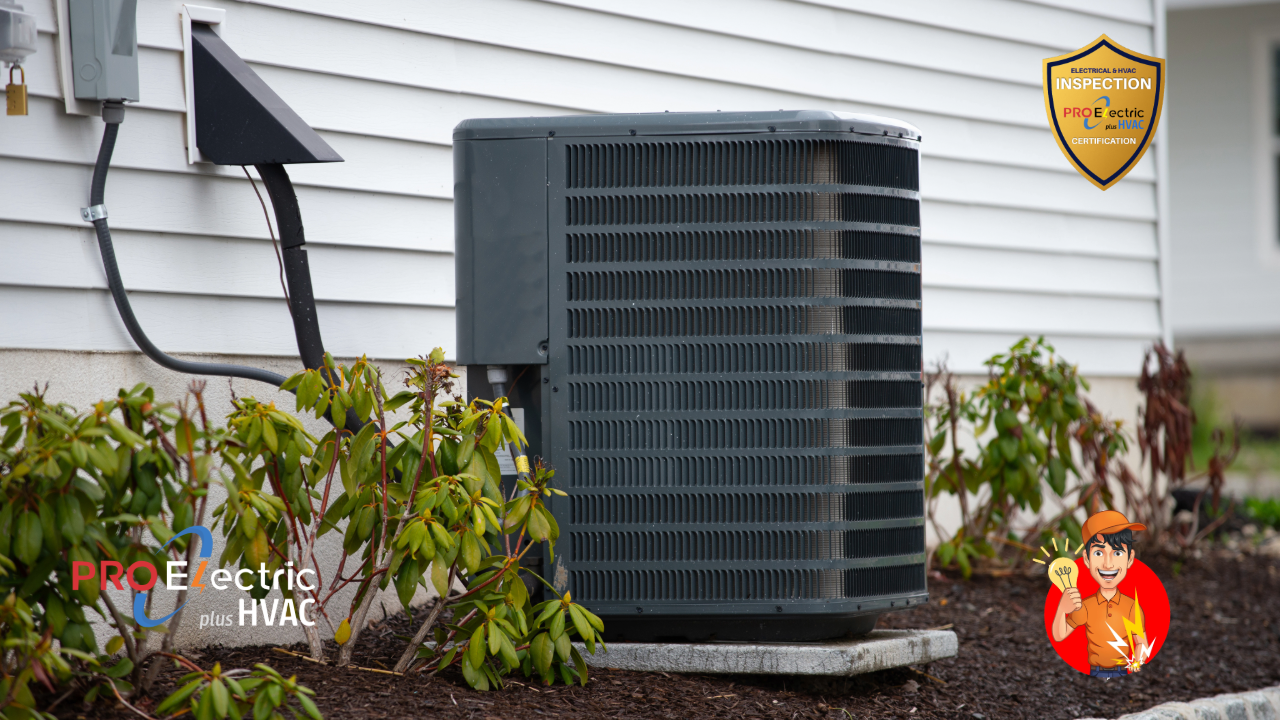
- A heat pump and a gas furnace, together. The system has both: a heat pump outside that heats and cools, and a gas furnace as the heating partner, sharing the same ductwork.
- The heat pump handles most of the season. On mild and moderate days, the efficient heat pump does the heating, which is most of our winter and the bulk of the running hours.
- The furnace takes the coldest days. When the temperature drops past a set point, the system switches to the gas furnace, which makes strong heat no matter how cold it is outside.
- A balance point decides the switch. The system is set up with a switchover temperature, the balance point, where it hands off from heat pump to furnace automatically based on what is most efficient.
- It still cools in summer. The heat pump runs as your air conditioner in the cooling season, so the system covers the whole year.
- No backup electric strips needed. Instead of leaning on expensive electric auxiliary heat on cold days, a dual fuel system uses the gas furnace as the backup, which is usually cheaper to run hard.
Why it suits the Northern Virginia climate
- Most of our winter is heat pump weather. Our climate has a long stretch of mild and moderate days where a heat pump is efficient and inexpensive to run, exactly where it shines, since heat pumps work well in cold weather up to a point.
- We also get genuinely cold snaps. We do get cold stretches where a heat pump alone has to work hard and lean on backup, and that is precisely when the gas furnace earns its keep.
- You avoid the heat pump cold weather complaints. The common gripe that heat pump air feels cool on the coldest days goes away, because the furnace handles those days with hot air.
- You get efficiency without the cold weather penalty. You capture the heat pump’s low running cost most of the season without paying the efficiency penalty a heat pump faces in deep cold.
- It pairs efficiency and reliability. You get a system that is inexpensive to run in mild weather and dependable when it counts, which is a strong fit for our mixed climate.
Dual fuel shines where the weather is mixed, which is exactly us
Let me explain why dual fuel is such a good fit here specifically. In a place that is almost always mild, a heat pump alone is plenty. In a place that is brutally cold all winter, a furnace alone might make more sense. Northern Virginia is right in the middle, we get a long mild and moderate season plus real cold snaps, and that mixed pattern is exactly where a dual fuel system pulls ahead. The heat pump quietly and efficiently handles the many mild days, and the furnace steps in for the handful of genuinely cold ones, so you are never paying for expensive backup electric heat and never shivering through a cold snap waiting for a heat pump to keep up. The one thing that makes or breaks the benefit is setting the switchover point correctly, which is part of a proper installation, not a guess.
Who benefits most from dual fuel
A dual fuel system is worth a serious look if you have gas available and you are replacing both your AC and your heating, since that is the natural moment to set it up. It is especially appealing if you like the idea of a heat pump’s efficiency but have been hesitant because of how heat pumps perform in the cold or you have heard complaints about cool air on the coldest days. It also fits homeowners who currently have a gas furnace and an aging AC and want their next system to be smarter and cheaper to run. If you are weighing a plain heat pump versus a furnace, dual fuel is the answer that says you do not have to choose. We look at your home, your ducts, your gas availability, and your comfort priorities to tell you whether it makes sense.
How we help
We assess whether a dual fuel system fits your home, your gas availability, your ductwork, and your comfort goals, then size and install the heat pump and furnace as a matched system and set the switchover point so each does the job it is best at. The result is heat pump efficiency most of the season and gas furnace muscle on the coldest days. We do this across Northern Virginia.
Frequently asked questions
What is a dual fuel HVAC system?
A dual fuel system, also called hybrid heat, pairs a heat pump with a gas furnace that share the same ductwork. The efficient heat pump handles heating on mild and moderate days, which is most of the season, and the system automatically switches to the gas furnace on the coldest days when the furnace’s strong heat is more effective. The heat pump also provides cooling in summer, so it covers the whole year.
How does a dual fuel system decide which to use?
It uses a switchover temperature called the balance point. Above that temperature, the heat pump heats the home efficiently. When the outdoor temperature drops below the balance point, the system automatically hands off to the gas furnace, which makes strong heat regardless of how cold it is. Setting that switchover point correctly for your home and energy costs is part of a proper installation.
Is a dual fuel system worth it in Northern Virginia?
For many homes, yes. Our climate has a long stretch of mild and moderate days where a heat pump is efficient and inexpensive to run, plus real cold snaps where a gas furnace is more effective. A dual fuel system captures the heat pump’s low running cost most of the season and the furnace’s reliable heat on the coldest days, which is a strong fit for our mixed weather, especially if you have gas available.
Does a dual fuel system fix the cool air complaint about heat pumps?
Largely, yes. The common gripe that heat pump air feels cooler on the coldest days goes away in a dual fuel setup, because the gas furnace takes over on those days and delivers hot air. The rest of the season, when the heat pump runs, its supply air is comfortable for the milder conditions. You get efficient heat pump operation most of the time without the cold weather drawback.
Do I need gas for a dual fuel system?
Yes, a dual fuel system pairs a heat pump with a gas furnace, so it requires a gas supply for the furnace side. If your home already has gas, dual fuel is a natural fit, especially when you are replacing both your AC and heating. If you do not have gas, a heat pump with electric backup is the alternative to consider. We assess your gas availability as part of recommending the right system.
When is the best time to install a dual fuel system?
The natural moment is when you are replacing both your air conditioner and your heating system, since the heat pump and furnace are installed as a matched pair sharing the ductwork. It is also worth considering if you have an aging AC and a gas furnace and want your next cooling system to double as an efficient heat source. Doing both together lets the system be designed and balanced correctly from the start.
Considering dual fuel in Northern Virginia?
Heat pump efficiency with gas furnace muscle, sized right.