
HVAC and Electrical Experts
Written by Peter
Master Electrician at PRO Electric plus HVAC, serving Fairfax, Loudoun, Arlington, and Prince William Counties. Virginia License #2705181607.
Installing a Mini Split Is Cleaner and Faster Than Most People Expect.
Mini split installation across Fairfax, Loudoun, Arlington, and Prince William Counties.
Hi, I am Peter, the Master Electrician at PRO Electric plus HVAC. When people are considering a mini split, one of the things holding them back is not knowing what the installation actually involves. They picture the mess and disruption of running ductwork and assume a mini split must be similar. It is not. Installing a mini split is one of the cleaner, faster comfort projects you can do to a home, and knowing the steps takes the mystery out of it.
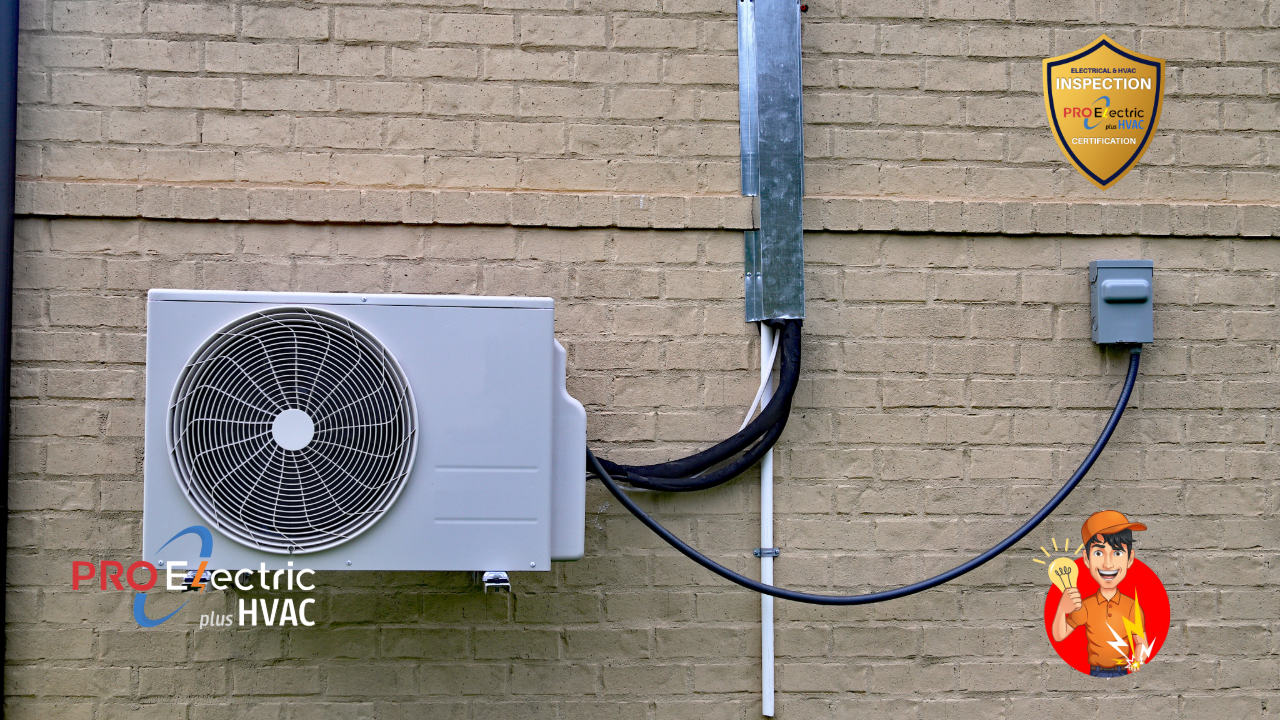
The whole job comes down to mounting an indoor head, setting an outdoor unit, connecting the two through a small line set, and wiring the unit to its own electrical circuit. There is no tearing open walls or ceilings, no ductwork, and for a single zone it is often finished in a day. Because we are Master Electricians and HVAC technicians under one roof, the unit and its dedicated circuit are handled together by one crew, on one permit, rather than waiting on a separate electrician. Let me walk you through exactly what happens.
Here is the installation step by step, why it is so much less disruptive than people expect, and how the permitting and electrical are handled correctly.
The installation step by step
- Assessment and plan. First we visit, run the load calculation to size the unit, and plan where the indoor head and outdoor unit go and how the line set will route.
- Mount the indoor head. The indoor air handler is mounted high on the wall in the room, on a bracket, in the spot planned for the best comfort and look.
- Make a small pass through. A small hole, just wide enough for the line set, is made in the exterior wall behind the head; this is the only opening needed.
- Set the outdoor unit. The outdoor unit is placed on a pad on the ground or on a wall bracket, in a clear spot with good airflow.
- Run the line set. The line set, which bundles the refrigerant lines, the condensate drain, and the control wiring, is run between the indoor head and outdoor unit and neatly covered.
- Wire the dedicated circuit. We run the unit’s own dedicated circuit from your panel, often a 240 volt circuit, with a disconnect at the outdoor unit.
- Vacuum, charge, test, and commission. The system is vacuumed to remove moisture, charged correctly, then tested in heating and cooling, and we walk you through the controls.
Why it is less disruptive than you think
- No ductwork, no demolition. The biggest reason a mini split is clean to install is that it skips ducts entirely, so there is no opening walls and ceilings.
- Only a small hole. The single small pass through for the line set is the only penetration, and it is sealed neatly behind the head.
- Often done in a day. A single zone install is frequently completed in one day, and even multi zone systems go in far faster than a duct retrofit.
- Minimal indoor mess. With no ducts and only a small opening, the indoor disruption is small, and we clean up after ourselves.
- Permitted and inspected. The work is done to code, permitted, and inspected, so it is right and safe, not a shortcut.
One crew, one permit: the unit and its circuit done together
Here is the practical advantage of how we do it. A mini split is two trades in one machine: it is HVAC, and it needs electrical, specifically its own correctly sized dedicated circuit from your panel. When those are handled by separate companies, you get the classic problem of the installer waiting on an electrician, two schedules, two permits, and each blaming the other if something is off. Because we are licensed Master Electricians and HVAC technicians under one roof, your mini split and its circuit are installed together by one crew, coordinated from the start, on one permit. If your panel is full or needs attention, we handle that too. It means a smoother install, a single point of responsibility, and a system that is both mounted right and wired right.
Permitting and doing it right
A mini split installed properly is permitted and inspected, the refrigerant lines are vacuumed and charged correctly, and the electrical is to code. Those details are what separate a system that runs efficiently for years from one that limps along or fails early. We pull the permit, run a correct dedicated circuit, and commission the system the right way. The result is a mini split that performs as it should from day one. If you are planning an addition or other work, it is often smart to fold the mini split in while walls are open, and the broader case for ductless is in our guide on why install a ductless mini split.
Frequently asked questions
How is a mini split installed?
A technician mounts the indoor head high on the wall, makes a small hole through the exterior wall for the line set, and sets the outdoor unit on a pad or bracket. The line set, which carries the refrigerant lines, condensate drain, and wiring, connects the two. The unit is wired to its own dedicated circuit, then the system is vacuumed, charged, tested in heating and cooling, and commissioned. There is no ductwork involved, which keeps the job clean.
How long does a mini split installation take?
A single zone mini split is often installed in a single day. Multi zone systems with several indoor heads take longer but still go in far faster than retrofitting ductwork for central air. The timeline depends on the number of heads, the routing of the line sets, and any electrical work needed, such as adding a circuit or addressing the panel. We give you a clear expectation up front after the assessment.
Is installing a mini split messy or disruptive?
Much less than people expect. Because a mini split needs no ductwork, there is no opening walls and ceilings, and the only penetration is a single small hole for the line set, sealed neatly behind the indoor head. The indoor disruption is minimal, the work is often done in a day for a single zone, and we clean up afterward. It is one of the least invasive ways to add real heating and cooling to a home.
Does installing a mini split require electrical work?
Yes. Every mini split needs its own correctly sized dedicated circuit run from the electrical panel, often a 240 volt circuit, with a disconnect at the outdoor unit. Because we are licensed Master Electricians and HVAC technicians, we handle the unit and its circuit together as one job, and if your panel is full or undersized we address that too. Doing both under one roof avoids the common delay of an installer waiting on a separate electrician.
Do I need a permit to install a mini split?
Yes, a proper mini split installation is permitted and inspected so the work meets code on both the mechanical and electrical sides. This protects you: it confirms the circuit is correct, the unit is installed safely, and the system is done right rather than as a shortcut. We pull the permit and handle the inspection as part of the job, so you do not have to navigate it, and you end up with a properly documented, code compliant installation.
Can a mini split be installed in an existing home easily?
Yes, existing homes are where mini splits shine. Because the system needs no ducts, it goes into a finished house with only a small hole for the line set, no demolition, and minimal mess, which is why it suits older homes and rooms that central air cannot reach. The indoor head mounts on the wall and the outdoor unit sits outside. For most existing homes, a single zone install is a quick, clean, one day project.
Ready for a clean mini split install in Northern Virginia?
One crew handles the unit and the electrical together.